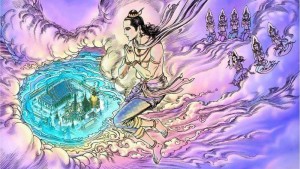
 Mốc I : Hoàn cảnh trước khi Phật ra đời
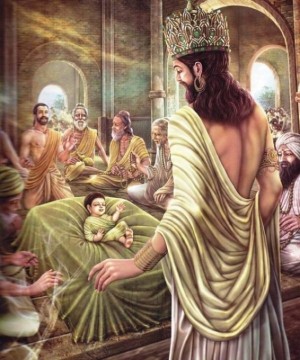 Mốc II : Sự kiện Phật đản sanh
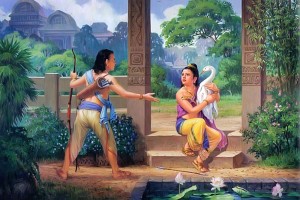 Mốc III: Giai đoạn tuổi thơ của Bồ tát Tất Đạt Đa
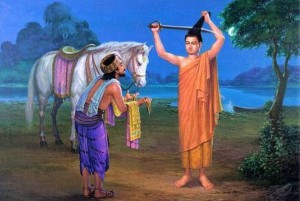 Mốc IV : Giai đoạn trưởng thành - xuất gia
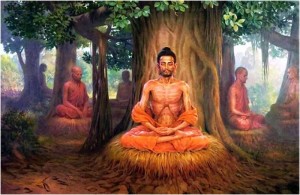 Mốc V : Tầm đạo
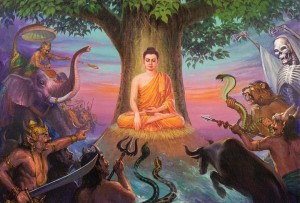 Mốc VI : Thành đạo
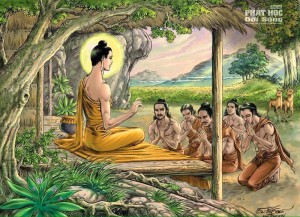 Mốc VII: Những vị đệ tử đầu tiên
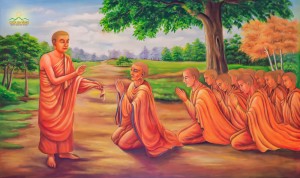 Mốc VIII : Tăng đoàn lớn mạnh
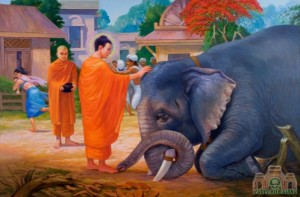 Mốc IX: Mười ba năm cuối cuộc đời Đức Phật
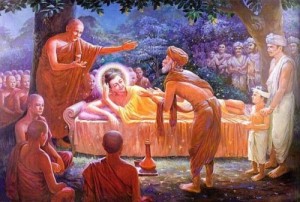 Mốc X : Đức Phật nhập niết bàn

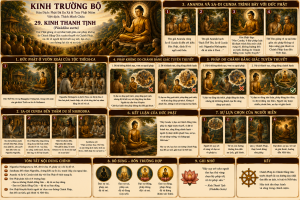
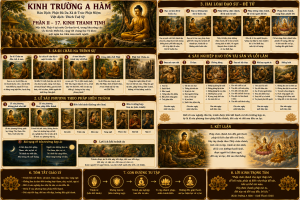
Trường A Hàm 017.P2.17. KINH THANH TỊNH
Người nghe · 455 lượt xem

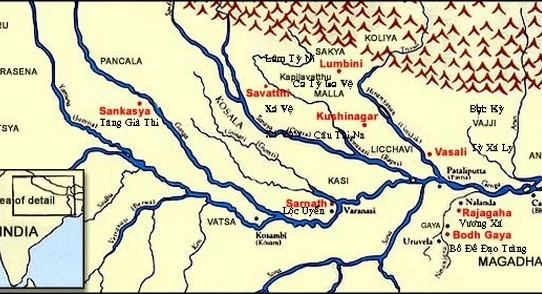
 Vương quốc Kosala
+
Vương quốc Magadha
+
Sakya
+
Koliya (Câu-lợi)
+
Nước Kasi
+
Nước Bạt-kỳ (Vajji)
+
Nước Avantī
+
Xứ Kurū
+
Cộng hoà Malla
+
Vương quốc Vatsa
+
Nước Ālavī
+
Nước Pañcāla
+
Tích Lan (Lanka - Sri Lanka)
+
Vương quốc Aṅga (Anga)
+
Nước Ceti (Cedi/Cetiya)
+
Nước Maccha (Matsya)
+
Nước Sūrasena
+
Nước Assaka (Asmaka)
+
Nước Gandhāra
+
Nước Kamboja
Vương quốc Kosala
+
Vương quốc Magadha
+
Sakya
+
Koliya (Câu-lợi)
+
Nước Kasi
+
Nước Bạt-kỳ (Vajji)
+
Nước Avantī
+
Xứ Kurū
+
Cộng hoà Malla
+
Vương quốc Vatsa
+
Nước Ālavī
+
Nước Pañcāla
+
Tích Lan (Lanka - Sri Lanka)
+
Vương quốc Aṅga (Anga)
+
Nước Ceti (Cedi/Cetiya)
+
Nước Maccha (Matsya)
+
Nước Sūrasena
+
Nước Assaka (Asmaka)
+
Nước Gandhāra
+
Nước Kamboja

2. Cunda.-The books appear to refer to two theras by the name of Cunda, the better known being Mahā-Cunda and the other Cūla-Cunda. But the legends connected with them are so confused that it is not possible to differentiate clearly one from the other. Mention is also made of a Cunda-Samanuddesa whom, however, the Commentaries (E.g.. DA.iii.907) identify wit...
2. Cunda.-The books appear to refer to two theras by the name of Cunda, the better known being Mahā-Cunda and the other Cūla-Cunda. But the legends connected with them are so confused that it is not possible to differentiate clearly one from the other. Mention is also made of a Cunda-Samanuddesa whom, however, the Commentaries (E.g.. DA.iii.907) identify with Mahā-Cunda. Mahā-Cunda is, for instance, described in the Theragāthā Commentary (ThagA.i.261; see also DhA.ii.188 and AA.ii.674) as the younger brother of Sāriputta, under whom he joined the Order, winning arahantship after arduous and strenuous effort.
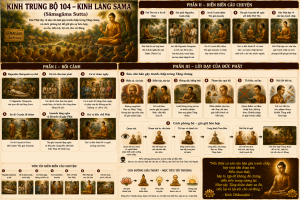
Xuất hiện trong Wiki Tâm Học -Danh sách : Kinh Trung Bộ 104Kinh Làng Sama (Sāmagāma sutta)
2. Cunda.-The books appear to refer to two theras by the name of Cunda, the better known being Mahā-Cunda and the other Cūla-Cunda. But the legends connected with them are so confused that it is not possible to differentiate clearly one from the other.
Mention is also made of a Cunda-Samanuddesa whom, however, the Commentaries (E.g.. DA.iii.907) identify with Mahā-Cunda. Mahā-Cunda is, for instance, described in the Theragāthā Commentary (ThagA.i.261; see also DhA.ii.188 and AA.ii.674) as the younger brother of Sāriputta, under whom he joined the Order, winning arahantship after arduous and strenuous effort.
In the time of Vipassī Buddha he had been a potter and had given to the Buddha a bowl made of clay. The Apadāna verses quoted in the Theragāthā Commentary are, in the Apadāna itself (Ap.ii.444), ascribed to a monk named Ekapattadāyaka. They make no mention whatever of his relationship to Sāriputta. On the other hand, there are to be found elsewhere in the Apadāna (Ap.i.101f) certain verses ascribed to a Cunda Thera, which definitely state that he was the son of the brahmin Vanganta, and that his mother was Sārī. But in these verses he is called Cūla-Cunda, and mention is made of his previous birth in the time of Siddhattha Buddha, to whom he gave a bouquet of jasmine flowers. As a result he became king of the devas seventy-seven times and was once king of men, by name Dujjaya. It is further stated that he became arahant while yet a sāmanera and that he waited upon the Buddha and his own brother and other virtuous monks. This account goes on to say that after his brother's death, Cunda brought his relics in a bowl and presented them to the Buddha, who uttered praises of Sāriputta. This would identify Cūla-Cunda with Cunda Samanuddesa who, according to the Samyutta Nikāya (S.v.161f), attended Sāriputta in his last illness and, after his death, brought to the Buddha at Jetavana Sāriputta's bowl and outer robe and his relics wrapt in his water-strainer. Therefore if Buddhaghosa is correct in identifying Cunda Samanuddesa with Mahā-Cunda, then all three are one and the same. (Buddhaghosa says that the monks called him Samanuddesa in his youth before his upasampadā, and he never lost the name, DA.iii.907).
Cunda Samanuddesa was, for some time, the personal attendant of the Buddha (ThagA.ii.124; J.iv.95, etc.), and when the Buddha prepared to perform the Twin Miracle, offered to perform a miracle himself and so save the Buddha trouble and exertion (DhA.iii.211). Cunda's teacher was Ananda, and it was to Ananda that he first brought the news of Sāriputta's death. (SA.iii.178; see also the Pāsādika Sutta and the Sāmagāma Sutta, where Cunda brings to Ananda and then to the Buddha the news of Nigantha Nātaputta's death; see also the Sallekha Sutta).
Mahā-Cunda was evidently a disciple of great eminence, and is mentioned by the Buddha (A.iii.299; see also M.iii.78; Ud.i.5) in company with the Two Chief Disciples, Mahā Kassapa, Mahā Kotthita, Mahā Kaccāna and other very eminent Elders.
The Pitakas contain several discourses (A.iii.355; v.41, 157) given to the monks by Mahā-Cunda while residing at Sahajātī among the Cetis, probably after the Buddha's death. Cunda (or Cundaka as he is called in this context) was with the Buddha in his last journey to Kusinārā, and spread a bed for him in the Mango grove by the Kakutthā River (D.ii.134f; Ud.viii.5).
Cunda is mentioned (S.iv.50f.; M.iii.263f ) as having accompanied Sāriputta when he went to see Channa at the Kalandakanivāpa in Rājagaha, just before Channa's suicide. Once, when the Buddha lay ill in the Kalandakanivāpa, Cunda visited him and they talked of the bojjhangas. There and then the Buddha's sickness vanished. S.v.81.
.
Người nghe · 455 lượt xem

Người nghe · 345 lượt xem
Chọn vấn đề bạn phát hiện. Quản trị viên sẽ nhận báo cáo kèm đúng trang hiện tại.
Liên kết bên dưới được dựng phía server từ các quan hệ đang có trong cơ sở dữ liệu Nikaya Tâm Học.
Các bài/Kinh liên kết trực tiếp với nhân vật này.
Mở danh sách nhân vật cùng nhóm hiện hữu.
Tính từ bài chung và địa danh chung ở backend.