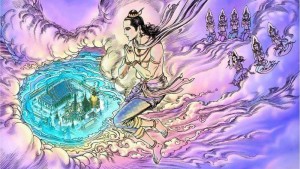
 Mốc I : Hoàn cảnh trước khi Phật ra đời
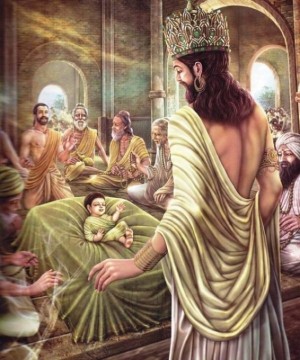 Mốc II : Sự kiện Phật đản sanh
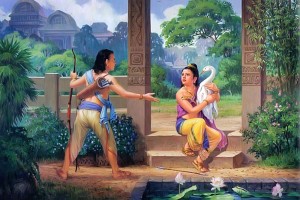 Mốc III: Giai đoạn tuổi thơ của Bồ tát Tất Đạt Đa
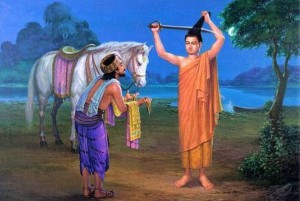 Mốc IV : Giai đoạn trưởng thành - xuất gia
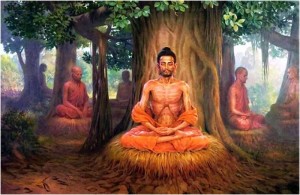 Mốc V : Tầm đạo
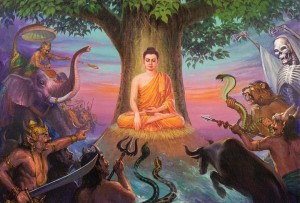 Mốc VI : Thành đạo
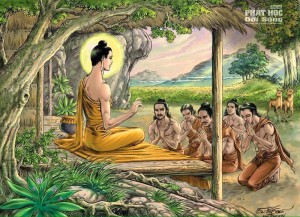 Mốc VII: Những vị đệ tử đầu tiên
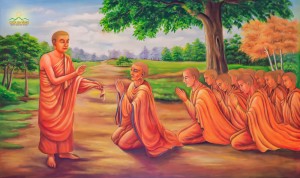 Mốc VIII : Tăng đoàn lớn mạnh
 Mốc IX: Mười ba năm cuối cuộc đời Đức Phật
 Mốc X : Đức Phật nhập niết bàn





Trung A Hàm 022. Kinh Thành Tựu Giới
Người nghe · 432 lượt xem

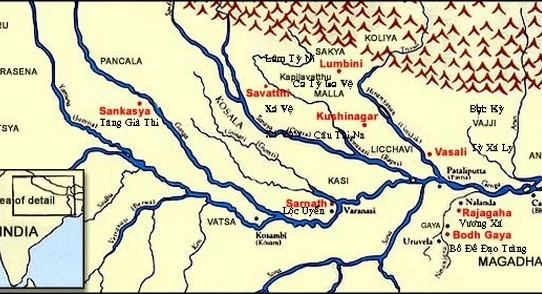
 Vương quốc Kosala
+
Vương quốc Magadha
+
Sakya
+
Koliya (Câu-lợi)
+
Nước Kasi
+
Nước Bạt-kỳ (Vajji)
+
Nước Avantī
+
Xứ Kurū
+
Cộng hoà Malla
+
Vương quốc Vatsa
+
Nước Ālavī
+
Nước Pañcāla
+
Tích Lan (Lanka - Sri Lanka)
+
Vương quốc Aṅga (Anga)
+
Nước Ceti (Cedi/Cetiya)
+
Nước Maccha (Matsya)
+
Nước Sūrasena
+
Nước Assaka (Asmaka)
+
Nước Gandhāra
+
Nước Kamboja
Vương quốc Kosala
+
Vương quốc Magadha
+
Sakya
+
Koliya (Câu-lợi)
+
Nước Kasi
+
Nước Bạt-kỳ (Vajji)
+
Nước Avantī
+
Xứ Kurū
+
Cộng hoà Malla
+
Vương quốc Vatsa
+
Nước Ālavī
+
Nước Pañcāla
+
Tích Lan (Lanka - Sri Lanka)
+
Vương quốc Aṅga (Anga)
+
Nước Ceti (Cedi/Cetiya)
+
Nước Maccha (Matsya)
+
Nước Sūrasena
+
Nước Assaka (Asmaka)
+
Nước Gandhāra
+
Nước Kamboja

Lúc bấy giờ đại đức Upavāṇa đang đứng trước Đức Phật, hầu quạt Ngài. Rồi Đức Phật nói với đại đức Upavāṇa rằng: “ Này tỳ khưu, hãy tránh ra, đừng đứng trước mặt Như Lai.” Đại đức Upavāṇa vâng lời ngay không chậm trễ, thả xuống cái quạt bằng lá ở đó, và đứng ở nơi thích hợp. Nhân đó, đại đức Ānanda liền suy nghĩ, “ Đại đức Upavāṇa này đã lâu (suốt hai mươi nă...
Lúc bấy giờ đại đức Upavāṇa đang đứng trước Đức Phật, hầu quạt Ngài. Rồi Đức Phật nói với đại đức Upavāṇa rằng: “ Này tỳ khưu, hãy tránh ra, đừng đứng trước mặt Như Lai.” Đại đức Upavāṇa vâng lời ngay không chậm trễ, thả xuống cái quạt bằng lá ở đó, và đứng ở nơi thích hợp. Nhân đó, đại đức Ānanda liền suy nghĩ, “ Đại đức Upavāṇa này đã lâu (suốt hai mươi năm đầu sau khi Đức Thế Tôn thành Phật) từng là thị giả sống gần gũi Đức Phật, tuy nhiên vào thời gian diệt độ này Đức Phật lại bảo vị ấy tránh qua một bên khi nói rằng, ‘Này tỳ khưu, hãy tránh ra, đừng đứng trước mặt Như Lai’. Vì lý do gì mà Đức Phật nói như vậy?”. Thế nên, đại đức Ānanda bèn hỏi Đức Phật:
1. Upavāna.-A thera. He belonged to a very rich brahmin family of Sāvatthi, and having seen the Buddha's majesty at the dedication of Jetavana, he entered the Order and became an arahant with sixfold aññā. For some time, before Ananda was appointed upatthāka, Upavāna waited on the Buddha. Once when the Buddha was attacked by cramp, Upavāna, with the help of his lay-friend Devahita, obtained hot water and suitable medicines, with which the ailment was healed; the Buddha, thereupon, expressed his gratitude. ThagA.i.308ff; this ailment does not seem to be mentioned in Milinda 134f. where several others are given. This incident is given at greater length in S.i.174f; see also DhA.iv.232f.
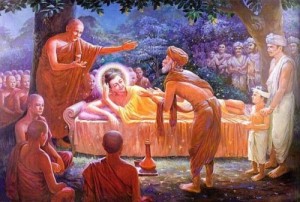
When the Buddha lay on his death-bed at Kusināra, Upavāna was by his side fanning him; the Buddha, seeing that he obstructed the vision of the devas who had come to pay their last homage to the Teacher, asked Upavāna to move away (D.ii.138f).
Two occasions are mentioned on which Upavāna consulted the Buddha on matters of doctrine, once regarding the arising of suffering (S.ii.41-2) and once on the immediate and practical use of the Dhamma (sanditthikadhamma) (S.iv.41). There is also recorded a visit of Upavāna to Sāriputta when they were both staying in the Ghositārāma at Kosambī. Sāriputta asks him about the bojjhangas as being conducive to a happy life and Upavāna explains (S.v.76). On another occasion Upavāna is the enquirer, and he asks Sāriputta about the "end-maker" (antakara); Sāriputta explains that the "end-maker" is the one who knows and sees things as they really are (A.ii.163).
When an unpleasant interview took place between Sāriputta and Lāludāyī (q.v.) and no one was found to support Sāriputta, the matter is reported to the Buddha, who declares that Ananda should have taken Sāriputta's side. Soon afterwards Ananda seeks Upavāna and tells him that he was too timid to interfere, and if the Buddha referred to the matter again, would Upavāna undertake to answer? In the evening the Buddha engages Upavāna in conversation and asks him to explain the five qualities which make a monk esteemed and loved by his colleagues. At the end of the discourse the Buddha applauds Upavāna (A.iii.195f).
In Padumuttara's time Upavāna had been a poor man. Seeing people making great offerings at the Buddha's Thūpa, he was much touched, and having washed his upper garment, he hung it as a flag over the Thūpa. A yakkha named Abhisammataka, who was the guardian of the cetiya, took the flag three times round the cetiya, he himself remaining invisible.
A monk whom the man consulted after this miracle foretold that for thirty thousand kappas he would be in the deva-worlds and that he would be deva-king eighty times. One thousand times he was Cakkavatti. In his last life his wealth was eighty crores. When he was Cakkavatti, his banner was held aloft, three leagues in height. Ap.i.70ff.
1. Upavāna. - Một vị trưởng lão. Ngài xuất thân từ một gia đình Bà-la-môn rất giàu có ở Sāvatthi, và sau khi chứng kiến uy nghi của Đức Phật tại lễ khánh thành Jetavana, ngài đã xuất gia và đắc quả A-la-hán với sáu tuệ giác. Một thời gian trước khi Ananda được tấn phong làm upatthāka, Upavāna đã hầu hạ Đức Phật. Một lần, khi Đức Phật bị chuột rút, Upavāna, với sự giúp đỡ của người bạn cư sĩ Devahita, đã lấy được nước nóng và thuốc men thích hợp, nhờ đó mà bệnh được chữa khỏi; Đức Phật, sau đó, đã bày tỏ lòng biết ơn. ThagA.i.308ff; căn bệnh này dường như không được đề cập đến trong Milinda 134f. nơi có nhiều trường hợp khác được ghi chép lại. Sự kiện này được ghi chép chi tiết hơn trong Si174f; xem thêm DhA.iv.232f.
Khi Đức Phật nằm trên giường bệnh ở Kusināra, Upavāna ở bên cạnh quạt cho Ngài; Đức Phật thấy rằng ông che khuất tầm nhìn của các vị thần đến để tỏ lòng tôn kính lần cuối với Đức Phật, nên đã yêu cầu Upavāna tránh ra (D.ii.138f).
Upavāna được nhắc đến trong hai dịp tham vấn Đức Phật về giáo lý, một lần về sự phát sinh của khổ đau (S.ii.41-2) và một lần về việc áp dụng Giáo pháp (sanditthikadhamma) một cách trực tiếp và thiết thực (S.iv.41). Cũng có ghi chép về một lần Upavāna đến gặp Sāriputta khi cả hai đang ở tại Ghositārāma ở Kosambi. Sāriputta hỏi Ngài về các bojjhanga như là những yếu tố dẫn đến một cuộc sống hạnh phúc và Upavāna giải thích (Sv76). Trong một dịp khác, Upavāna là người hỏi, và Ngài hỏi Sāriputta về "người kết thúc" (antakara); Sāriputta giải thích rằng "người kết thúc" là người biết và thấy mọi thứ đúng như chúng là (A.ii.163).
Khi một cuộc đối thoại khó chịu diễn ra giữa Sāriputta và Lāludāyī (qv) và không ai ủng hộ Sāriputta, sự việc được trình lên Đức Phật, và Ngài tuyên bố rằng Ananda nên đứng về phía Sāriputta. Ngay sau đó, Ananda tìm đến Upavāna và nói rằng ông quá nhút nhát để can thiệp, và nếu Đức Phật nhắc lại vấn đề này, liệu Upavāna có chịu trả lời không? Buổi tối, Đức Phật trò chuyện với Upavāna và yêu cầu ông giải thích năm phẩm chất làm nên một vị tỳ kheo được các bạn đồng tu kính trọng và yêu mến. Cuối bài pháp, Đức Phật khen ngợi Upavāna (A.iii.195f).
Vào thời Padumuttara, Upavāna là một người nghèo. Thấy mọi người dâng cúng dường lớn lao tại Bảo tháp của Đức Phật, ngài vô cùng cảm động, và giặt sạch áo ngoài, treo nó lên làm lá cờ trên Bảo tháp. Một dạ xoa tên là Abhisammataka, người bảo vệ Bảo tháp, đã mang lá cờ ba vòng quanh Bảo tháp, còn bản thân ngài thì ẩn mình.
Một vị sư mà người đàn ông đã thỉnh cầu sau phép lạ này đã tiên đoán rằng ông sẽ ở cõi trời trong ba mươi ngàn kiếp và sẽ làm vua trời tám mươi lần. Một ngàn lần ông là Cakkavatti. Trong kiếp cuối cùng của mình, tài sản của ông là tám mươi triệu đồng. Khi ông là Cakkavatti, lá cờ của ông được giương cao, cao ba dặm. Ap.i.70ff.
Lúc bấy giờ đại đức Upavāṇa đang đứng trước Đức Phật, hầu quạt Ngài. Rồi Đức Phật nói với đại đức Upavāṇa rằng: “ Này tỳ khưu, hãy tránh ra, đừng đứng trước mặt Như Lai.” Đại đức Upavāṇa vâng lời ngay không chậm trễ, thả xuống cái quạt bằng lá ở đó, và đứng ở nơi thích hợp.
Nhân đó, đại đức Ānanda liền suy nghĩ, “ Đại đức Upavāṇa này đã lâu (suốt hai mươi năm đầu sau khi Đức Thế Tôn thành Phật) từng là thị giả sống gần gũi Đức Phật, tuy nhiên vào thời gian diệt độ này Đức Phật lại bảo vị ấy tránh qua một bên khi nói rằng, ‘Này tỳ khưu, hãy tránh ra, đừng đứng trước mặt Như Lai’. Vì lý do gì mà Đức Phật nói như vậy?”. Thế nên, đại đức Ānanda bèn hỏi Đức Phật:
“Bạch Đức Thế Tôn, đại đức Upavāṇa này là thị giả sống gần và hầu cận Thế Tôn đã lâu ngày, tuy nhiên vào thời gian diệt độ này của Đức Thế Tôn, Thế Tôn lại bảo vị ấy tránh qua một bên với những lời này, ‘ Này tỳ khưu, hãy tránh ra, đừng đứng trước mặt Như Lai’ vì lý do gì mà Đức Thế Tôn nói như vậy?”
Đức Thế Tôn muốn loại bỏ ý nghĩ là đại đức Upavāṇa có lỗi của đại đức Ānanda, nên Ngài giải thích như sau:
chỉ bằng đầu lông đuôi của con dê núi mà không có sự hiện diện của chư thiên có oai lực.”
Điểm chú thích:
Sở dĩ đại đức Upavāṇa có những năng phi thường trong số những vị A-la-hán là vị ấy đã từng làm một thần bảo vệ bảo tháp của Đức Phật Kassapa.
Chín mươi mốt đại kiếp trước khi Đức Phật Gotama xuất hiện, Đức Phật Vipassī diệt độ để lại một khối Xá-lợi có màu vàng duy nhất. (Theo thông lệ thì chư Phật mà xuất hiện trong thời kỳ thọ mạng của loài người đến hằng ngàn tuổi, thì các Ngài để lại một mẫu Xá-lợi sau khi diệt độ, được dân chúng tôn thờ trong bảo tháp). Dân chúng vào những thời kỳ ấy xây dựng lên một bảo tháp để tôn thờ Xá-lợi. Bảo tháp cao một do-tuần, được xây bằng những viên gạch màu vàng dài một hắc tay và rộng nửa hắc tay, bề dày hai ngón tay. Chất vữa làm bằng bột đá pha lê trộn chung với dầu mè.
Trong việc kiến tạo ngôi bảo tháp, chư thiên địa cầu nâng cái bảo tháp do loài người xây dựng cao thêm một do tuần nữa, chư thiên cõi trời nâng thêm một do tuần khác. Bên trên chiều cao ấy các vị Nhiệt vân thiên (Unhavalāhakadeva), Đồ vân thiên (Abbhavalāhaka deva), chư thiên ở cõi Tứ thiên vương (Catumahārāja) và chư thiên ở cõi Tam thập tam (Tāvatiṃsā) mỗi loại chư thiên ấy nâng cao thêm một do tuần, kết quả là bảo tháp tôn trí mẫu xá-lợi của Đức Phật Vipassī cao bảy do tuần.
Khi dân chúng đi đến bảo tháp ấy để cúng dường hoa và những lễ vật khác thì vị hộ thần của bảo tháp lấy những vật cúng dường và đặt chúng một cách thích hợp trước bảo tháp trước sự chứng kiến của các thí chủ.
Vào thời ấy, tiền thân của đại đức Upavāṇa, ngài sanh làm một vị Bà-la-môn giàu có. Vị ấy đi đến bảo tháp để cúng dường một tấm vải màu vàng như là biểu tượng của chiếc y dâng đến Đức Phật. Vị hộ thần đặt tấm vải trông rất rực rỡ và xinh đẹp ở bảo tháp làm hài lòng vị thí chủ Bà-la-môn ấy rất nhiều và vị Bà-la-môn kia đã phát nguyện
trong tương lai xin được làm vị hộ thần canh giữ bảo tháp Đức Phật như vậy. Lúc chết vị ấy tái sanh vào cõi chư thiên.
Trong suốt thời gian Upavāṇa tương lai tái sanh nhiều lần trong cõi chư thiên và nhân loại thì Đức Phật Kassapa xuất hiện trong thế gian. Khi Đức Phật Kassapa diệt độ, thọ mạng của loài người lúc bấy giờ rất cao (hai mươi ngàn năm), chỉ một mẫu xá-lợi Phật còn lại. Xá lợi này được tôn trí trong bảo tháp có đường kính và chiều cao một do tuần. Upavāṇa đương lai lúc bấy giờ trở thành vị hộ thần của bảo tháp. Sau khi mạng chung từ kiếp sống ấy vị ấy tái sanh vào cõi chư thiên trở lại. Trong thời của Đức Phật Gotama, vị ấy sanh vào trong một gia đình cao quý, từ bỏ đời sống gia chủ, bỏ lại vợ và các con, và trở thành bậc A-la-hán.
Như vậy, nhân và duyên khiến Upavāṇa có những năng lực phi thường. Trong số những bậc A-la-hán, vị ấy đã từng là một vị hộ thần tại bảo tháp được dựng lên để tôn trí xá-lợi của Đức Phật Kassapa.
Sau khi Đức Phật đã giải thích với đại đức Ānanda rằng đại đức Upavāṇa được bảo tránh qua một bên trong đám đông không phải vì vị ấy có lỗi mà chỉ để làm thỏa mãn chư thiên, đại đức Ānanda bèn bạch với Đức Phật rằng: “ Bạch Đức Thế Tôn, Thế Tôn đánh giá như thế nào về những trạng thái tâm đang hiện diện trong chư thiên và Phạm thiên?” (Qua câu hỏi này đại đức Ānanda dò hỏi chư thiên và Phạm thiên chịu đựng sầu khổ như thế nào trước cảnh Đức Phật sắp diệt độ). Đức Phật nói với đại đức Ānanda rằng chư thiên và Phạm thiên đều có tâm trạng sầu khổ như vầy:
“Này Ānanda, chư thiên mà quyết định ở trong hư không và đang đứng ở đó (tựa như có một nền móng vững chắc để đứng, sau khi biến đổi bầu trời thành cái nền vững chắc bằng năng lực chư thiên của họ), đang khóc than với tóc rối bù, hai cánh tay của họ đưa lên, họ gieo mình xuống đất, lăn lộn khắp các hướng, và ta thán rằng, ‘Thế Tôn nhập diệt quá sớm! Đấng Thiện Thệ nhập diệt quá sớm! Bậc Sở hữu Tuệ nhãn biến mất trên đời quá sớm!”
“Này Ānanda, chư thiên mà quyết định ở trên quả đất và đang đứng trên đất (khi biến đổi đất tự nhiên thành nền đất chống đỡ cho
sắc thân vi tế của họ), đang khóc than với tóc rối bù, hai cánh tay của họ đưa lên, họ gieo mình xuống đất, lăn lộn khắp các hướng, và ta thán rằng, ‘Thế Tôn nhập diệt quá sớm! Đấng Thiện Thệ nhập diệt quá sớm! Bậc Sở hữu Tuệ nhãn biến mất trên đời quá sớm!”
“Nhưng chư thiên đã thoát khỏi dục ái có thể bình thản chịu đựng với tâm suy tư rằng “Tất cả các pháp hữu vi đều vô thường. Do đó, làm sao có thể được để tìm cái thường tồn trong bản chất hữu nhân hữu duyên này?”
(Thân của chư thiên chứa sắc vi tế. Sự kết cấu của quả đất tự nhiên không thể nâng đỡ được họ; nếu chư thiên đứng trên nó thì thân của họ sẽ sụp xuống đất như cục bơ. Vào một dịp nọ, có vị Phạm thiên tên là Hatthaka đi đến Đức Phật và khi vị ấy cố gắng đứng ở đó thì thân của vị ấy sụp vào trong đất. Đức Phật đã phải nhắc vị ấy biến đổi thân của vị ấy qua dạng sắc thô để có thể đứng trên đất. Hoàn cảnh tương tự cũng áp dụng với chư thiên. Đó là lý do khiến chư thiên, ở trong điều kiện này, cần phải biến đổi đất tự nhiên để phù hợp với sắc thân vi tế của họ, nhờ đó mà họ có thể lăn trên đất ).
.Tôn giả Upavāṇa – Top 80 trưởng lão ( nhóm phải – từng làm thị giả cho Đức Phật) Tôn giả Upavāṇa – từng làm thị giả cho Đức Phật. https://www.palikanon.com/english/pali_names/u/upavaana.htm 1. Upavāna.-A thera. He belonged to a very rich brahmin family of Sāvatthi, and having seen the Buddha’s majesty at the dedication of Jetavana, he entered the Order and became an arahant with sixfold aññā. For some time, before Ananda was appointed upatthāka, Upavāna waited on the Buddha. Once when the Buddha was attacked by cramp, Upavāna, with the help of his lay-friend Devahita, obtained hot water and suitable medicines, with which the ailment was healed; the Buddha, thereupon, expressed his gratitude. ThagA.i.308ff; this ailment does not seem to be mentioned in Milinda 134f. where several others are given. This incident is given at greater length in S.i.174f; see also DhA.iv.232f. When the Buddha lay on his death-bed at Kusināra, Upavāna was by his side fanning him; the Buddha, seeing that he obstructed the vision of the devas who had come to pay their last homage to the Teacher, asked Upavāna to move away (D.ii.138f). Two occasions are mentioned on which Upavāna consulted the Buddha on matters of doctrine, once regarding the arising of suffering (S.ii.41-2) and once on the immediate and practical use of the Dhamma (sanditthikadhamma) (S.iv.41). There is also recorded a visit of Upavāna to Sāriputta when they were both staying in the Ghositārāma at Kosambī. Sāriputta asks him about the bojjhangas as being conducive to a happy life and Upavāna explains (S.v.76). On another occasion Upavāna is the enquirer, and he asks Sāriputta about the “end-maker” (antakara); Sāriputta explains that the “end-maker” is the one who knows and sees things as they really are (A.ii.163). When an unpleasant interview took place between Sāriputta and Lāludāyī (q.v.) and no one was found to support Sāriputta, the matter is reported to the Buddha, who declares that Ananda should have taken Sāriputta’s side. Soon afterwards Ananda seeks Upavāna and tells him that he was too timid to interfere, and if the Buddha referred to the matter again, would Upavāna undertake to answer? In the evening the Buddha engages Upavāna in conversation and asks him to explain the five qualities which make a monk esteemed and loved by his colleagues. At the end of the discourse the Buddha applauds Upavāna (A.iii.195f). In Padumuttara’s time Upavāna had been a poor man. Seeing people making great offerings at the Buddha’s Thūpa, he was much touched, and having washed his upper garment, he hung it as a flag over the Thūpa. A yakkha named Abhisammataka, who was the guardian of the cetiya, took the flag three times round the cetiya, he himself remaining invisible. A monk whom the man consulted after this miracle foretold that for thirty thousand kappas he would be in the deva-worlds and that he would be deva-king eighty times. One thousand times he was Cakkavatti. In his last life his wealth was eighty crores. When he was Cakkavatti, his banner was held aloft, three leagues in height. Ap.i.70ff. 1. Upavāna. – Thera. Ông thuộc một gia đình Bà-la-môn rất giàu có ở Sāvatthi, và đã nhìn thấy sự uy nghi của Đức Phật khi cúng dường Jetavana, ông đã gia nhập Dòng và trở thành một vị A-la-hán với sáu bậc aññā. Trong một thời gian, trước khi Ananda được bổ nhiệm làm upatthāka, Upavāna đã chờ đợi Đức Phật. Một lần khi Đức Phật bị chuột rút tấn công, Upavāna, với sự giúp đỡ của người bạn cư sĩ Devahita, đã lấy được nước nóng và các loại thuốc thích hợp, nhờ đó bệnh được chữa lành; Đức Phật, ngay sau đó, bày tỏ lòng biết ơn của mình. ThagA.i.308ff; căn bệnh này dường như không được đề cập trong Milinda 134f. nơi một số người khác được đưa ra. Sự cố này được đưa ra ở độ dài lớn hơn trong Si174f; xem thêm DhA.iv.232f. Khi Đức Phật nằm trên giường lâm chung tại Kusināra, Upavāna ở bên cạnh và quạt cho Ngài; Đức Phật, khi thấy Ngài đã cản trở tầm nhìn của chư thiên, những người đã đến để đảnh lễ lần cuối cùng với Vị Thầy, đã yêu cầu Upavāna rời đi (D.ii.138f). Hai lần được đề cập đến mà Upavāna đã hỏi ý kiến Đức Phật về các vấn đề giáo lý, một lần liên quan đến sự phát sinh của đau khổ (S.ii.41-2) và một lần về việc sử dụng Giáo pháp (sanditthikadhamma) tức thời và thực tế (S.iv.41) ). Cũng có ghi chép về chuyến viếng thăm của Upavāna đến Sāriputta khi cả hai đang ở trong Ghositārāma tại Kosambī. Sāriputta hỏi anh ta về bojjhangas có lợi cho cuộc sống hạnh phúc và Upavāna giải thích (Sv76). Trong một dịp khác, Upavāna là người hỏi han, và ông ta hỏi Sāriputta về “người tạo ra cuối cùng” (antakara); Sāriputta giải thích rằng “người sản xuất cuối cùng” là người biết và nhìn mọi thứ như thực tế của chúng (A.ii.163). Khi một cuộc phỏng vấn khó chịu diễn ra giữa Sāriputta và Lāludāyī (qv) và không tìm thấy ai ủng hộ Sāriputta, vấn đề được báo cáo với Đức Phật, người tuyên bố rằng Ananda nên đứng về phía Sāriputta. Ngay sau đó Ananda tìm Upavāna và nói với ông rằng ông quá nhút nhát để can thiệp, và nếu Đức Phật đề cập lại vấn đề này, Upavāna có cam kết trả lời không? Vào buổi tối, Đức Phật bắt chuyện với Upavāna và yêu cầu ông giải thích năm phẩm chất khiến một nhà sư được đồng nghiệp quý trọng và yêu mến. Vào cuối bài pháp, Đức Phật hoan nghênh Upavāna (A.iii.195f). Vào thời Padumuttara, Upavāna là một người nghèo. Nhìn thấy mọi người đang cúng dường lớn lao ở Thūpa của Đức Phật, ông rất cảm động, và đã giặt áo trên của mình, ông treo nó như một lá cờ trên Thūpa. Một yakkha tên là Abhisammataka, người bảo vệ cetiya, cầm cờ ba lần quanh cetiya, bản thân ông vẫn vô hình. Một nhà sư mà người đàn ông tham khảo ý kiến sau phép lạ này đã báo trước rằng với ba mươi nghìn kappa, anh ta sẽ ở trong các thế giới deva và rằng anh ta sẽ làm vua deva tám mươi lần. Một nghìn lần anh ta là Cakkavatti. Trong cuộc sống cuối cùng của mình, tài sản của ông là 80 crores. Khi anh ấy còn là Cakkavatti, biểu ngữ của anh ấy được treo trên cao, cao ba giải đấu. Ap.i.70ff. Trong thời đức Phật hiện tại, ngài sanh trong một gia đình Bà-la-môn ở Sàvatthi, được đặt tên là Upavàna. Thấy được uy nghi đức Phật khi Kỳ Viên được dâng cúng. Ngài xuất gia, phát triển thiền quán, chứng được sáu thắng trí. Rồi Upavàna trở thành vị thị giả đức Phật. Bấy giờ, Thế Tôn bị đau nhức mỏi, một đệ tử cư sĩ của ngài tên là Devahita sống ở Sàvatthi cúng dường bốn vật dụng cần thiết cho ngài. Khi Upavàna đến với y và bát, Devahita biết ngài cần dùng một vật đặc biệt nên hỏi. Ngài trả lời với bài kệ như sau: 185. Bậc ứng Cúng, Thiện Thệ, ẩn sĩ bị phong thấp, Nếu ông có nước nóng, Hãy cúng dường ẩn sĩ. 186. Cúng dường người đáng cúng, Cung kính người đáng kính, Tôn trọng người đáng trọng, Ta mong muốn vị ấy, Ðược vật cúng mang đến. Rồi vị Bà-la-môn dâng cúng nước nóng và thuốc trị bệnh. Nhờ vậy, bệnh của Thế Tôn thuyên giảm và Thế Tôn tỏ lời cảm ơn. Reborn in this Buddha-age at Sāvatthi, in a brahmin’s family, he was named Upavāna. He saw at the Jeta Grove presentation the majesty of the Buddha, and entering the Monk’s order, practised for insight, and won sixfold abhinna(higher knowledge). Now Upavāna. became attendant on the Exalted One(Buddha).[1] And at that time the Exalted One was attacked by cramp. And Devahita, a brahmin(priest) lay-friend of the Thera, living at Sāvatthi, was supplying him with the four necessaries. Seeing him come with bowl and robe, Devahita discerned that he needed something different and said: ‘Let your reverence be supplied. What do you need?’ And Upavāna. answered: [185] Arahaɱ sugato loke vātehābādhito muni,|| [186] Pūjito pūjanīyānaɱ sakkareyyāna sakkato,|| [185] The Arahant(enlightened), the Tathagatha (i.e. Buddha) of all men, [186] Revered by them to whom we reverence owe, because of that the brahmin(priest) offered both hot water and suitable medicine. By that the Lord(Buddha)’s sickness was healed, and to him the Exalted One rendered thanks. [1] See CCLX. On the ailment cf. Milinda i., 194, n. 4. The stanza starting with arahaṃ sugato constitutes that of the venerable Thera Upavāṇa. What is the origin? It is said that he was born in the family of a pauper at the time of the Blessed One Padumuttara; On having attained the age of intelligence, when the Blessed One entered parinibbāna, he made his reverential offering of a flag which he made after fastening his own upper garment, which had been well washed at a bamboo-top, at the solid shrine of seven leagues (yojanika) when the same was made of seven sorts of gems by human and divine beings, by dragons (nāga) and garuḍa birds (garuḷa), by celestial demons (kumbhaṇḍa), ogres (yakkha) and celestial musicians (gandhabba) after having collected His relics. The commander-in-chief of ogres, named Abhisammataka, who was posted (ṭhapito) for the purpose of looking after the reverential offerings of the shrine, by divine beings, with his body being unseen, caught hold of that flag, held it in the sky and circumambulated the shrine three times. On having noticed it, he became much more pious-minded. On account of that act of merit, he wandered about his rounds of repeated rebirths and was reborn in a brahmin family in Sāvatthi when this Buddha arose; he gained the name Upavana; on having come of age, he happened to have notice the power of Buddha at the accepting celebration of Jetavana, aptly gained pious faith, became a monk, kept on doing the deed of developing spiritual insight (vipassanā), attained Arahantship and became possessed of six sorts of higher-knowledge. Hence has it been said in the Apadāna:– “The Conqueror named Padumuttara, proficient in all truths (dhamma) having shone bright like a mass of fire, Buddha the awakened entered parinibbāna. The multitude of men came together, made reverential offerings to Tathāgata, heaped up a funeral pile (citaṃ) well finished (sugataṃ) and had the body specially mounted (on it). Having done their duty to the (demised) body, they brought together relics there. All those divine and human beings built a shrine of Buddha. Firstly the shrine was made of gold; secondly it was made of emerald (maṇi); thirdly, it was made of shining silver (rūpiya), fourthly it was made of crystal; there fifthly also it was made of red ruby; sixthly it was made of cat’s eye precious stone (masāragalla); all above was made of gems. The lower portion of the shrine (jaṅgha) was made of emerald (maṇi); the railings were made of gems; the shrine was made wholly of gold; it went a league (yojana) up above. Divine beings assembled there and con- sulted unitedly (ekato) then; we also shall set up a shrine for such a great personage as the protector of the world. There exists no special relic; the body had become a single lump (of relics); at this shrine of Buddha we shall make an encasement (kañcuka). With seven sorts of gems, divine beings increased the shrine by another league, (yojana); the shrine became two leagues (yojana) in height; that shrine dispelled (byapahanti) darkness (timiraṃ) dragons assembled there and consulted unitedly then; human as well as divine beings, they set up a shrine of Buddha. Let us not be negligent; the world together with the divine world, are diligent. We also shall set up a shrine of such a sage as the protector of the world. Having had the celestial sovereign sapphire (indanīla), the mighty sapphire (mahānīla), besides the emerald of shining essence (jotiresamaṇi) assembled together they enveloped the shrine of Buddha. As far as the shrine of Buddha became entirely made of emerald (maṇi) it well became three league (yojana) high, the maker of light then. Garuḍa birds also came together and consulted unitedly then; those human beings, divine-beings and dragons made reverential offerings to Buddha. Let us not be negligent; the world together with the divine world had been diligent. We also shall set up a shrine for such a sage as the protector of the world. They also made an encasement; a shrine entirely made of emerald; they also increased outstretching (āyataṃ) the shrine of Buddha by a league (yojana). Four leagues (yojana) in height, the shrine of Buddha shone forth (virocati); it illumined all directions resembling the sun that has risen (sataraṃsīva uggato). Celestial beings (kumbhaṇḍa) also came together, and consulted unitedly then; human beings, and divine beings also, dragons and likewise garuḍa birds as well, respectively built the most excellent shrine, for Buddha the best; let us not be negligent; the world together with the divine world, had been diligent. We also shall set up a shrine for such a sage as the protector of the world. Stretching out (āyataṃ) the shrine of Buddha, we shall encase it with gems. Outstretching the shrine of Buddha they also increased it by a league (yojana). Five leagues in height, the shrine then had shed its light. Ogres came together there, and con- sulted unitedly then; human and divine beings, dragons, garuḍas and divine demons, respectively (paccekaṃ) set up the most excellent shrine; let us not be negligent; the world together with the divine world had been diligent. We also shall set up a shrine of such a sage as the protector of the world; let us encase it with crystal (phalika) in stretching out the shrine of Buddha. They also in stretching out the shrine raised it by a league (yojana). Six league (yojana) in height, the shrine shone forth then. Celestial musician (gadhabbā) came together and consulted then unitedly; human beings, divine beings, dragons divine demons and likewise garuḍas, all of them had built a Buddha shrine; here, we are non-doers; we also shall set up a shrine, of such a sage as the protector of the world. Having made seven railings (vediyo), they made a flag and an umbrella; the celestial musicians made then the shrine entirely of gold. Seven leagues (yojana) in height, the shrine shone forth then. People did not know about day and night; there was light at all times (sabbadā). Sun and moon together with the stars did not overwhelm the light of that shrine. For a league (yojana) all round, the lamp also was not bright. At that time, those human beings who made reverential offerings to the shrine, did not ascend the shrine; they threw their offerings up to the sky. The ogre named Abhisammata, posted by the divine beings, specially mounted either the flag or flower wreath fur- ther up. The donors did not see that ogre; they, however, saw their flower- wreath going up; those who went away after seeing their offerings in this manner, all went to the excellent existence (sugati). Those human beings who were hostile (viruddha) to the teachings of Buddha (pāvacana) and those human beings (who) were piously pleased with the dis- pensation (sāsana), who were desirous of seeing the miracle (pāṭihīraṃ) made their reverential offerings to the shrine. In the city of Haṃsavatī, I was then a wage earner; having seen the multitude bemused (āmoditaṃ) I thought over in this manner, then. This (eso) Blessed One to whom there is such a relic residence (dhātughara) as this (īdisa) cannot but be excellent (na uḷāro); this multitude of men are jouful also; they are not satiated with their doing acts of worship (kārṃ kubbaṃ na tappare). I also shall perform my act of worship (kāraṃ) to such a sage as the protector of the world. In time to come I shall become an heir to His teachings of truth (dhammesu). I had my upper garment (uttareyyaṃ pataṃ) well-washed and dyed (sudhotaṃ rajakena), had it hung (ālaggatvā) at a bamboo top (veḷagge), I hoisted (to flew) a flag in the sky, Abhisam- mataka took hold of my flag and carried it in the sky. On having seen my flag shaken by breeze I roused my joy much more. Having made my mind piously pleased over that act, I approached a monk; having paid my homage to that monk, I asked him about the result (vipāka) of that flag (offering). He spoke to me gladdening words (ānandī) arousing my zest (pītisañjananaṃ); ‘you will enjoy, at all times, the good result of that flag’. A fourfold (caturaṅginī) army (comprising) elephants, horses, chariots and foot soldiers will be your retinue (parivāressanti) always; this is the fruit of flag-offering. Sixty thousand musicians and well decorated drums will surround you always; this is the fruitful result of your flag offering. Eighty six thousand well-adorned ladies, wearing variegated clothes and ornaments, adorned with emerald ear-rings, with thick eye-lashes (aḷārapamhā) with ‘smiling speech’ (hasulā), having good understanding (susañña), with tender waist (tanumajjhimā), will always surround you; this is the fruitful result of your flag offering. For thirty thousand aeons (kappa) you will enjoy yourself in the divine world; eighty times you will be a divine ruler and will exercise divine sovereignty. A thousand times, you will be world- king; in abundance will be your regal reign, incalculable numerically. A hundred thousand aeons (kappa) hence, the Master, named Gotama by clan, an offspring of Okkāka family will appear in the world. Having passed away from the divine world, you will become a kinsman of brahmā urged by your bringht basis (sukkamūlena codito), connected with your act of merit. Having discarded (your) eighty crores (of wealth) and many slaves and ser- vants, you will become a monk in the dispensation (sāsane) of the Glorious One Gotama. Having won the heart (ārādhayitvā) of the self-awakened Buddha Gotama, the bull among men of the Sākiyans, you will become a disciple of the Master, known by the mane of Upavana. The deed done by me a hundred thousand (aeons ago) showed its fruitful result to me here; similar to the speed of an arrow well discharged I had burnt my depravity (kilesa). When I was a world-king, exercising my sovereignty over the four islands, there were always erected flags all over three leagues (yojana) all round. It was a hundred thousand aeons (kappa) ago that I then did my deed; I do not remember any evil existence; this is the fruitful result of my flag offering. My depravity had been burnt. … Buddha’s instruction had been carried out.” The venerable Upavāṇa became the attendant (upaṭṭhāka) on the Blessed One. On that occasion also, there arose ‘wind-disease’ (vātābādha), internal pains to the Glorious One. A lay associate of the Thera, a brahmin named Devahita aptly resided in Sāvatthi. He declared himself to be the supplier (pavedesi) of four recluses’ requisites to the Thera. The venerable Upavāṇa put on his lower robe, took his bowl and robe and went to the residence of that brahmin. Having come to know that the Thera had come (to him) for this or that purpose (kenaci aññena payojanena), the brahmin asked thus: “Venerable Sir! You might tell (me) what you need. “The Thera spoke two stanzas informing his purpose to the brahmin:– 185. “The worthy sage Sugata in the world is ailing with internal pain (vātehābādhiko); O brahmin’ If you have hot water, offer it to the sage. 186. “I want to make offering to him, who had been honoured by those worthy of honour, respected per- sonally by those who should be personally respected, and has been treated with courtesy by those who should be treated with courtesy (apacito’paceyyānaṃ). The meaning of that speech; Loke pūjaneyyānaṃ pūjito means; whoever in this world had been honoured by such divine beings, etc., who ought to be honoured; Sakkareyyānaṃ sakkato means: had been personally respected by such kings as king Bimbisāra and Kosala who ought to be personally respected; apaceyyanaṃ apacito means: had been treated with courtesy by such great sages as Arahants who are free from cankers, who ought to be treated with courtesy; He is arahaṃ (Arahant) by being far away and so on from all forms of depravity; He is sugato, sugata by good going and so on; He is muni (sage) by being omniscient, my Master, the divine of divine, super-Sakka of Sakkas, super-brahmā of brahmās, vātehi ābādhiko means: He has become ill with disease caused by wind and marked by shaking of mind (vātakkhobhanimittaṃ). Sace brāhmaṇa uṇhodakaṃ atthi (O brahmin! Should there be hot water); tassa means: for the purpose of dispelling His wind disease, hārave icchāmi means: I want you to offer it (to Him). Having heard what was said, the brahmin made his offering to the Blessed One, of hot water and medicine commensurate worthy of wiping out the wind disease. By means of it also, the ailment of the Master got cured. The Glorious One made His thanksgiving to him. The Commentary on the stanza of the Thera Upavāṇa is complete.Tôn giả Upavāṇa – Top 80 trưởng lão ( nhóm phải – từng làm thị giả cho Đức Phật)
I. Giới thiệu khái quát
Từ palikanon.com
II. Trưởng lão tăng kệ – Tiểu bộ kinh Nikaya
(CLIII) Upavàna (Thera. 24)
III. https://tipitaka.fandom.com/wiki/Thera_2.33:_Upavana
Chapter II.
Two Verses153. Upavāna
Sace uṇhādakaɱ atthi munino dehi brāhmaṇa.|| ||
Apacitopacanīyānaɱ tassa icchāmi hātave’ ti.|| ||
The Holy Sage, he suffers much with wind.
If there be any water heated here,
O give it to me, brahmin(priest), for the Sage.
Cherished by them who claim our pious care,
Honoured by them to whom honour is due,
For Him I do beseech it may be brought.
2.4-3 [153] Commentary on the stanza of Upavāṇatthera
Người nghe · 432 lượt xem
Chọn vấn đề bạn phát hiện. Quản trị viên sẽ nhận báo cáo kèm đúng trang hiện tại.
Liên kết bên dưới được dựng phía server từ các quan hệ đang có trong cơ sở dữ liệu Nikaya Tâm Học.
Các bài/Kinh liên kết trực tiếp với nhân vật này.
Quan hệ Nhân vật ↔ Địa danh đang có trong database.
Mở danh sách nhân vật cùng nhóm hiện hữu.
Tính từ bài chung và địa danh chung ở backend.