
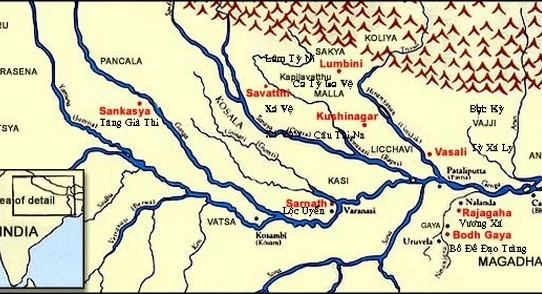
 Vương quốc Kosala
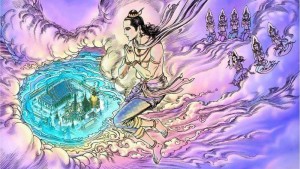 Mốc I : Hoàn cảnh trước khi Phật ra đời
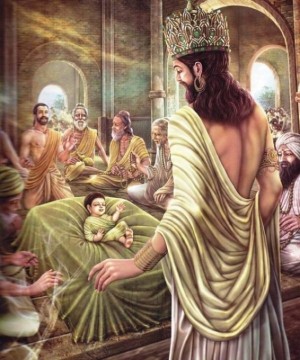 Mốc II : Sự kiện Phật đản sanh
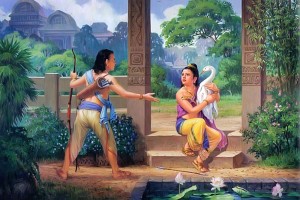 Mốc III: Giai đoạn tuổi thơ của Bồ tát Tất Đạt Đa
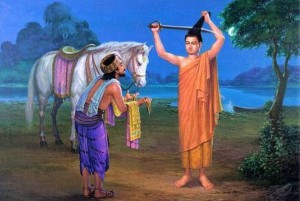 Mốc IV : Giai đoạn trưởng thành - xuất gia
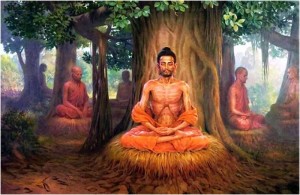 Mốc V : Tầm đạo
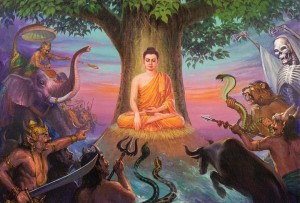 Mốc VI : Thành đạo
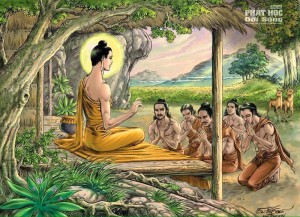 Mốc VII: Những vị đệ tử đầu tiên
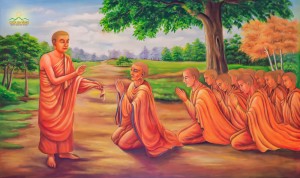 Mốc VIII : Tăng đoàn lớn mạnh
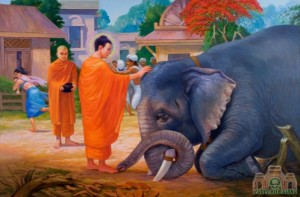 Mốc IX: Mười ba năm cuối cuộc đời Đức Phật
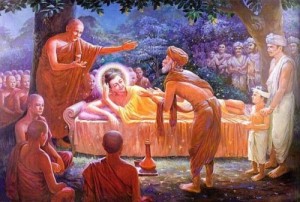 Mốc X : Đức Phật nhập niết bàn

MỤC LỤC NỘI DUNG
Mục lục nhân vật
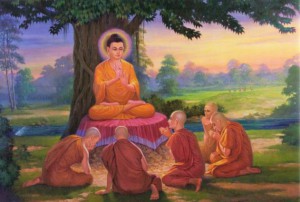
Nhân vật Phật học
Trưởng lão Bhagu – top 80 vị thánh đệ tử ( nhóm phải) vị hoàng thân dòng Sakya xuất gia chung với Tôn giả Ānanda
Trưởng lão Bhagu – vị hoàng thân dòng Sakya xuất gia chung với Tôn giả Ānanda https://www.palikanon.com/english/pali_names/b/bhagu_th.htm He was born in a Sākiyan family, and having left the world with his clansmen Anuruddha and Kimbila, he dwelt in the village of Bākalona. One day, having left his cell in order to drive away his drowsiness, he fell as he wa...
619 lượt xem
#518 mã dữ liệu
Nam giới tính 22.03.2023 ngày khởi tạo 07.09.2026 cập nhật
THÔNG TIN KHÁI QUÁT
Xem kinh liên quan ↓
Dữ liệu nhân vật
- Giới tính
- Nam
- Mã dữ liệu
- #518
- Khởi tạo
- 22/03/2023
- Cập nhật gần nhất
- 18/11/2025 21:48
- Lượt xem
- 619
- Trạng thái nội dung
- Có nội dung chính
Tóm lược
Trưởng lão Bhagu – vị hoàng thân dòng Sakya xuất gia chung với Tôn giả Ānanda https://www.palikanon.com/english/pali_names/b/bhagu_th.htm He was born in a Sākiyan family, and having left the world with his clansmen Anuruddha and Kimbila, he dwelt in the village of Bākalona. One day, having left his cell in order to drive away his drowsiness, he fell as he was stepping on to the terrace, and, urged thereby to further effort, he accomplished self mastery and won arahantship. Later, when he was living in the bliss of fruition, the Buddha came to congratulate him on his solitude. Thag.vss.271-4; ThagA.i.380f.; cf. M.iii.155; Vin.i.350, ii.182; DhA.i.56, 133; J.i.140, iii.489; Mil.107.
HỒ SƠ Trưởng lão Bhagu – top 80 vị thánh đệ tử ( nhóm phải) vị hoàng thân dòng Sakya xuất gia chung với Tôn giả Ānanda
Trưởng lão Bhagu – top 80 vị thánh đệ tử ( nhóm phải) vị hoàng thân dòng Sakya xuất gia chung với Tôn giả Ānanda Trưởng lão Bhagu – vị hoàng thân dòng Sakya xuất gia chung với Tôn giả Ānanda https://www.palikanon.com/english/pali_names/b/bhagu_th.htm He was born in a Sākiyan family, and having left the world with his clansmen Anuruddha and Kimbila, he dwelt in the village of Bākalona. One day, having left his cell in order to drive away his drowsiness, he fell as he was stepping on to the terrace, and, urged thereby to further effort, he accomplished self mastery and won arahantship. Later, when he was living in the bliss of fruition, the Buddha came to congratulate him on his solitude. Thag.vss.271-4; ThagA.i.380f.; cf. M.iii.155; Vin.i.350, ii.182; DhA.i.56, 133; J.i.140, iii.489; Mil.107. It is said (SA.ii.222; this sermon is referred to as the Kilesya Sutta) that, on this occasion, the Buddha, after his meal, preached to Bhagu for a whole day and a whole night. The next day Bhagu accompanied the Buddha on his alms round, and turned back when the Buddha proceeded to Pācīnavamsa-migadāya to see Anuruddha and the others. In the time of Padumuttara Buddha, Bhagu, was a householder, and, after the Buddha’s death, offered flowers to his relics. As a result he was born among the Nimmānaratī gods (ThagA.i.380). He is probably identical with Jātipupphiya of the Apadāna (Ap.ii.405f). A monk named Bhagu is mentioned (Vin.i.300) as staying with Jātipupphiya at the Kukkutārāma in Pātaliputta, but he is probably a different person. Anh ta sinh ra trong một gia đình Sākiyan, và xuất gia cùng với các gia tộc của mình là Anuruddha và Kimbila , anh ta sống ở làng Bākalona. Một ngày nọ, khi rời khỏi phòng giam để xua đi cơn buồn ngủ, anh ta ngã xuống khi đang bước lên sân thượng, và nhờ đó, được thúc giục nỗ lực hơn nữa, anh ta đã hoàn thành việc làm chủ bản thân và giành được quả vị A la hán. Sau đó, khi ông đang sống trong quả vị cực lạc, Đức Phật đã đến chúc mừng cho ông được giải thoát. Thag.vss.271-4; ThagA.i.380f .; cf. M.iii.155; Vin.i.350, ii.182; DhA.i.56, 133; Ji140, iii.489; Mil.107. Người ta nói rằng (SA.ii.222; bài giảng này được gọi là Kinh Kilesya) rằng, vào dịp này, sau bữa ăn, Đức Phật đã thuyết giảng cho Bhagu suốt một ngày cả một đêm. Ngày hôm sau, Bhagu tháp tùng Đức Phật đi khất thực, và quay lại khi Đức Phật tiến đến Pācīnavamsa-migadāya để gặp Anuruddha và những người khác. Vào thời Đức Phật Padumuttara, Bhagu, là một gia chủ, và sau khi Đức Phật nhập diệt, đã dâng hoa cho xá lợi của Ngài. Kết quả là ông được sinh ra giữa các vị thần Nimmānaratī (ThagA.i.380). Anh ta có lẽ giống hệt với Jātipupphiya của Apadāna (Ap.ii.405f). Một nhà sư tên là Bhagu được đề cập đến (Vin.i.300) đang ở với Jātipupphiya tại Kukkutārāma ở Pātaliputta, nhưng ông ta có lẽ là một người khác. Reborn in this Buddha-age in a clan of Sākiyan (king)rājas, he left the world(for monkhood), together with his clansmen, Anuruddha and Kimbila, and lived by the village of Bālakaloṇa.[1] And one day, when he had left his cell to discipline his tendency to sloth and torpor, he fell as he was stepping up on to the terrace. Using this as his goad,[2] he accomplished self-mastery, and developing insight, he won arahantship(enlightenment). Upon that, as he was living in the bliss of fruition, the bliss of Nibbāna, the Lord(Buddha), coming to congratulate him on his solitude, asked him: ‘How now, bhikkhu, do you continue in earnest?’ And he assenting, replied: [271] Ahaɱ middhena pakato vihārā upanikkhamiɱ,|| [272] Gattāni parimajjitvā punapāruyuha caŋkamaɱ,|| [273] Tato me manasīkāro yoniso udapajjatha,|| [274] Tato cittaɱ vimucci me passa dhammasudhammataɱ,|| [271]Down by drowsiness I got up me from my cell [272] Rubbing my limbs, once more I went up; [273] because of that arose in me the deeper thought: [274] And so my heart was set at liberty. This was the Thera’s declaration of aññā(supreme attainment). [1] On these see above (CXVIII.,n. 4) and below (CCLVI.). The visit by the Buddha, without the incident of the tumble, is recorded, Majjh. Nik., iii. 154; Vinaya Texts, ii. 308, where the village has -kāra added to its name. Cf. Jāt., i., No. 10; Milinda, i. 163. The village was a suburb of Kosambī on the Jumna. [2] Cf. Sisters, xvii. The stanza starting with ahaṃ middhena constitutes that of the thera Bhagu. What is the origin? It is said that he was reborn in a family home at the time of the Blessed One Padumuttara, and on having attained the age of intelligence, he made his reverential offering with flowers to the relics of that Buddha, when the Master passed away into parinibbāna. On account of that act of merit, he sprang up among the divine beings of Nimmānarati, wandered about continuously among divine and human beings and was reborn in the royal Sākiyan family, when this Buddha arose; having gained the name Bhagu, he, on having come of age, renounced the world together with Anuruddha, Kimila , became a monk, dwelt in the village of Bālaka lonaka, and one day, in order to remove his condition of being overwhelmed by sloth (thina) and drowsiness (middha), he came out of his monastery, ascended the cloister walk, had a fall (papatitvā) made the same as his driving goad (aṅkusa), dispelled his sloth and drowsiness, increasingly developed spiritual insight (vipassanā) and attained Arahantship. Hence, has it been said in the Apadāna:– “When the Blessed One Padumuttara, full of fame had entered parinibbāna, I made a forehead flower garland, and had it mounted on the corporeal remains (of Buddha). After having made my mind piously pleased there, I reached the divine world of Nimmānarati. On having reached, as I did, I recollected my act of merit. For me, there was shower of flowers (which rained down) from the sky at all times. Should it be that I was reborn as a human being in my rounds of repeated rebirths, I became a king of great fame. There, at all times will specially shower for me the rain of flowers (kusuma), by means of the bearing (vāha) of that very reverential offering of flowers to the all-seer (sabbadassī). This is my last entity (pacchimako); it happens to be my final existnece. At present also, the rain of flower will shower for me at all times. It was a hundred thousand aeons (kappa) ago that I made my offering of flowers; I do not remember any evil existence; this is the fruitful result of my reverential offering to the corporeal remains (deha). My depravity had been burnt. … Buddha’s instruction had been carried out.” Having, however, attained Arahantship, he spoke these four stanzas in order to inform about his own dwelling with diligence, when asked thus: “O monk! How is it? Do you dwell diligently?” by the Master, who had arrived to make thanks giving (in connection with the dedication of) a monastery, while he was spending his time with the bliss of fruition (phala) and happiness of nibbāna. 271. “Habituated (pakato) to drowsiness I came out of the monastery and on my ascending the cloister walk, I fell down on to the ground but there.” 272. “After having massaged my limbs (gattāni parimajjitvā) I climbed up the promenade again. That I walked to and fro on the cloister-walk, having become well com- posed internally. 273. “Thereafter, there arose my making of mindfulness wisely (yonīso); the disadvantage became evident; disgust (nibbidā) then become well established (samatiṭṭhi).” 274. “Thereafter my mind is freed; see the good nature (dhammatā) of the truth (dhamma). Threefold super knowledge (vijjā) had accordingly been attained; Buddha’s instruction had been carried out.” There, middhenapakato means: have been overwhelmed by drowsiness, which has the nature (sabhāva) of destroying (vighāta) the detachment (asatti) reckoned as bodily laziness (alasiya). Vihārā means from the monastery. Upanikkhamiṃ means: I came out in order to walk to and fro. Tatth’eva papatiṃchamā means: I fell down but there at the stairs of the cloister walk because of being overwhelmed by sleep. Vatthānī parimajjitvā means: having threshed out the different parts of my own body soiled by dust due to my fall on to the ground. Puṅap’ārayha saṅkamaṃ means: having climbed up the place of promenade without exhibiting (anapajjitva) any annoyance (saṅkocaṃ) by saying: “I have now fallen.” Ajjhattaṃ susamahito means; I walked to and fro after having become well composed (samahito) and one-pointed minded (ekaggacitto), by means of the elimination (vikkhambhana) of hindrances in my mental exercise (kammaṭṭhana) that dealt with my inward sphere (gocarajjhatta); thus, is the interpretation. The rest is in the manner as has been said. This even, was the thera’s revelation of his Arahantship (annā). Commentary on the stanza of the thera Bhagu is complete. Sách điển từ Online – Thời Phật tại thế Tâm Học 2022 : một cuốn sách dạng webs , sưu tầm các tài liệu về Cuộc đời Đức Phật , câu chuyện tại thế và tiền kiếp. Ngoài ra sách còn tra cứu những người và cuộc đời của người đó cùng thời Phật tại thếTrưởng lão Bhagu – top 80 vị thánh đệ tử ( nhóm phải) vị hoàng thân dòng Sakya xuất gia chung với Tôn giả Ānanda
I. Giới thiệu khái quát
II. Trưởng lão tăng kệ- Tiểu bộ kinh Nikaya
(CLXXXVII) Bhagu (Thera. 33)
Sanh trong thời đức Phật hiện tại, trong một gia đình dòng họ Sakya (Thích Ca), ngài xuất gia với Anuruddha và Kimbila, và sống gần làng Bàlakalona. Một ngày kia, khi ngài từ tinh xá ra ngoài để đối trị bịnh buồn ngủ, ngài té khi ngài bước lên đường kinh hành. Xem đấy để tự khích lệ, ngài tự chế ngự và phát triển thiền quán, ngài chứng quả A-la-hán. Từ đấy, sống thọ hưởng an lạc giải thoát Niết-bàn. Thế Tôn đến, tán thán cô độc của ngài và hỏi: ‘Này Tỷ-kheo, sao cho đến nay, Thầy vẫn còn tinh tấn?’. Ngài trả lời, với những bài kệ như sau:
271. Bị buồn ngủ chi phối,
Ta ra khỏi tinh xá,
Lại lên đường kinh hành,
Tại đấy té xuống đất.
272. Xoa bóp cả chân tay,
Lại lên đường kinh hành,
Qua lại đường kinh hành,
Nội tâm ta định tỉnh.
Rồi ta tự tác ý,
Như lý khởi tư duy,
Các hiểm nguy hiển lộ,
Nhàm chán ta an trú.
273. Và tâm ta giải thoát
Thấy pháp nhĩ là vậy,
Ba minh chứng đạt được,
Lời Phật dạy làm xong.III. https://tipitaka.fandom.com/wiki/Thera_4.2:_Bhagu
Chapter IV.
Four Verses187. Bhagu
Caŋkamaɱ abhirūhanto tatth’eva papatiɱ ‘chamā.|| ||
Caŋkame caŋkamiɱ sohaɱ ajjhattaɱ susamāhito.|| ||
Ādīnavo pāturahu nibbidā samatiṭṭhatha.|| ||
Tisso vijjā anuppattā kataɱ buddhassa sāsanan’ ti.|| ||
For exercise, and climbed the terrace-steps,
And fell by that all drowsy to the earth.
And while on terrace to and fro I went,
Within it was all alert, composed, intent.
Attention to the fact and to the cause. [177] The misery of it all was manifest;
Distaste, indifference the mind possessed;
O see the seemly monk’s order of the Path(Dhamma)!
The Threefold Wisdom have I made my own,
And all the Buddha requires me to do is done.
4.2 [187] Commentary on the stanza of Bhagutthera
Chưa có dữ liệu bản đồ cho nhân vật này.
KINH ĐIỂN Xuất hiện trong Nikaya
Xuất hiện ở nikaya khác ( tiểu bộ kinh )

TẠP A HÀM
Các bài kinh A Hàm có liên hệ với nhân vật
Báo lỗi nội dung
Chọn vấn đề bạn phát hiện. Quản trị viên sẽ nhận báo cáo kèm đúng trang hiện tại.
ĐIỀU HƯỚNG TỪ DATABASE
Mạng liên kết nội dung
Liên kết bên dưới được dựng phía server từ các quan hệ đang có trong cơ sở dữ liệu Nikaya Tâm Học.
18liên kết
Kinh & bài có nhân vật
3 mụcCác bài/Kinh liên kết trực tiếp với nhân vật này.
Địa danh của nhân vật
1 mụcQuan hệ Nhân vật ↔ Địa danh đang có trong database.
Nhóm nhân vật
1 mụcMở danh sách nhân vật cùng nhóm hiện hữu.
Nhân vật thường xuất hiện cùng
12 mụcTính từ bài chung và địa danh chung ở backend.
Đức Phật Thích Ca
→
Tôn Gỉả A Na Luật ANIRUDHA Thiên Nhãn ĐệNhất
→
Tôn giả Nandiya – top 80 đệ tử Phật ( 40 vị bên tay phải)
→
Trưởng lão Kimbila ( kimila) – vị hoàng thân dòng Sakya xuất gia chung với Tôn giả Ānanda ( top 80 trưởng lão – nhóm phải)
→
Tôn Giả A Nan Đà Ananda – Đa Văn Đệ Nhất
→
Trưởng lão Revata (Ly Bà Đa) - em út ngài Xá Lợi Phất
→
ĐẠI TRƯỞNG LÃO LAKUṆDAKA BHADDIYA – đệ nhất về âm thanh vi diệu ( tiền kiếp chim cu)
→
Vua Suddhodana -Tịnh Phạn vương
→
Hoàng hậu Mahāmāyā (Phật mẫu) – Maya hay Ma Da
→
Ni trưởng Mahā Pajāpatī Gotamī
→
TÔN GIẢ Nanda (NAN ĐÀ )- em trai cùng cha khác mẹ với Phật
→
Ni trưởng Tôn Đà Lợi ( Sắc Nan Đà) – người e gái cùng cha khác mẹ với Phật
→