
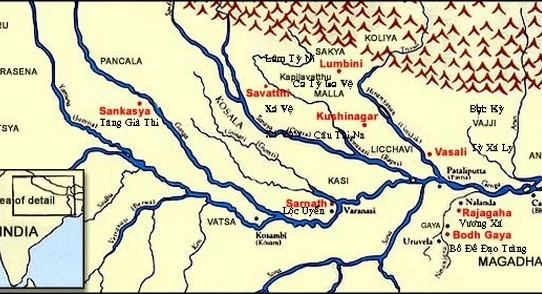
 Vương quốc Kosala
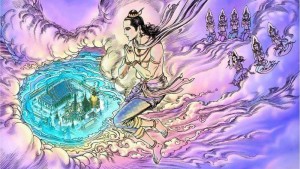 Mốc I : Hoàn cảnh trước khi Phật ra đời
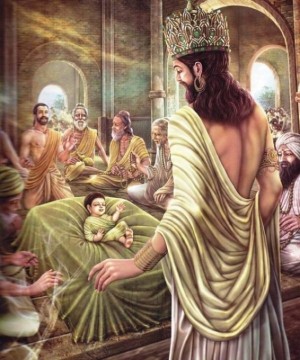 Mốc II : Sự kiện Phật đản sanh
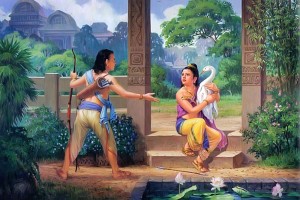 Mốc III: Giai đoạn tuổi thơ của Bồ tát Tất Đạt Đa
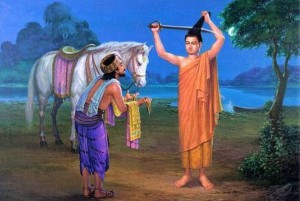 Mốc IV : Giai đoạn trưởng thành - xuất gia
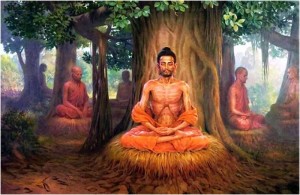 Mốc V : Tầm đạo
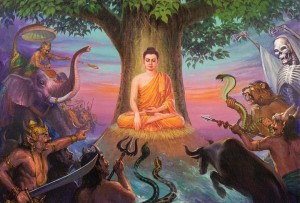 Mốc VI : Thành đạo
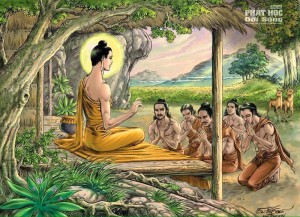 Mốc VII: Những vị đệ tử đầu tiên
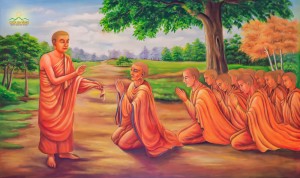 Mốc VIII : Tăng đoàn lớn mạnh
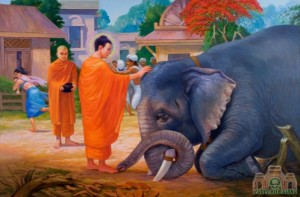 Mốc IX: Mười ba năm cuối cuộc đời Đức Phật
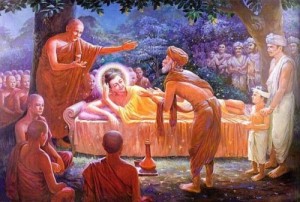 Mốc X : Đức Phật nhập niết bàn

MỤC LỤC NỘI DUNG
Mục lục nhân vật

Nhân vật Phật học
Tỷ-kheo-ni Upacàlà
1. Upacālā.-Sister of Sāriputta (his other sisters being Cālā, Sisūpacālā) and mother of Upacāla. When Sāriputta left the world to join the Order of monks, his three sisters followed his example and became nuns. It is said that when Upacālā was taking her siesta in Andhavana, Māra tried to arouse in her sensual desires, but she vanquished him and became an a...
314 lượt xem
#799 mã dữ liệu
Nam giới tính 05.11.2025 ngày khởi tạo 08.10.2026 cập nhật
THÔNG TIN KHÁI QUÁT
Xem kinh liên quan ↓
Dữ liệu nhân vật
- Giới tính
- Nam
- Mã dữ liệu
- #799
- Khởi tạo
- 05/11/2025
- Cập nhật gần nhất
- 17/11/2025 19:09
- Lượt xem
- 314
- Trạng thái nội dung
- Có nội dung chính
Tóm lược
1. Upacālā.-Sister of Sāriputta (his other sisters being Cālā, Sisūpacālā) and mother of Upacāla. When Sāriputta left the world to join the Order of monks, his three sisters followed his example and became nuns. It is said that when Upacālā was taking her siesta in Andhavana, Māra tried to arouse in her sensual desires, but she vanquished him and became an arahant. Her conversation with Māra is recorded in the Therīgāthā vv.189-95; ThigA.165f. The Samyutta (i.133f) mentions the temptation of all three sisters by Māra and their conquest of him. But in this account, Upacālā's verses are put into Cālā's mouth, Sisūpacālā's are ascribed to Upacālā and Cālā's to Sisūpacālā.
HỒ SƠ Tỷ-kheo-ni Upacàlà
Wiki Tâm Học -Danh sách : Tương Ưng bộ .TU005 - Tập I - Chương Năm – Tương Ưng Tỷ Kheo Ni
1. Upacālā.-Sister of Sāriputta (his other sisters being Cālā, Sisūpacālā) and mother of Upacāla. When Sāriputta left the world to join the Order of monks, his three sisters followed his example and became nuns. It is said that when Upacālā was taking her siesta in Andhavana, Māra tried to arouse in her sensual desires, but she vanquished him and became an arahant. Her conversation with Māra is recorded in the Therīgāthā vv.189-95; ThigA.165f. The Samyutta (i.133f) mentions the temptation of all three sisters by Māra and their conquest of him. But in this account, Upacālā's verses are put into Cālā's mouth, Sisūpacālā's are ascribed to Upacālā and Cālā's to Sisūpacālā.
1. Cālā Therī. -Con gái của Surūpasārī và do đó là em gái của Sāriputta .
Bà có hai chị gái là Upacālā và Sisūpacālā , cả ba đều từ bỏ thế gian và gia nhập Tăng đoàn khi nghe tin Sāriputta xuất gia.
Sau một thời gian, họ đạt được quả vị A-la-hán (ThigA.162ff; DhA.ii.188). Kinh sách kể lại (Thig.182-8; so sánh với Si132) rằng một ngày nọ, khi Cālā đang nghỉ trưa ở Andhavana , Māra đã đến thăm bà, hỏi bà nhiều câu hỏi và cố gắng cám dỗ bà.
Con trai của bà là Cāla .
VII. Upacàlà
1) Ở tại Sàvatthi.
2) Rồi Tỷ-kheo-ni Upacàlà, vào buổi sáng, đắp y… và ngồi xuống một gốc cây để nghỉ ban ngày… nói với Tỷ-kheo-ni Upacàlà:
— Này Tỷ-kheo-ni, Nàng muốn tái sanh tại chỗ nào?.
3) — Ta không muốn tái sanh tại một chỗ nào cả, này Hiền giả.
4)
Chư Thiên Ba mươi ba,
Dạ-ma, Ðâu-suất thiên,
Chư vị Hóa lạc thiên,
Tha hóa Tự tại thiên,
Nàng hãy hướng tâm này,
Ðến cảnh giới chư Thiên,
Rồi Nàng được tái sanh,
Hưởng an lạc cảnh ấy.
5)
Chư Thiên Ba mươi ba,
Dạ-ma, Ðâu-suất thiên,
Chư vị Hóa Lạc thiên,
Tha hóa, Tự tại thiên,
Vì ái dục trói buộc,
Lại bị ma chinh phục.
Toàn thế giới cháy đỏ,
Toàn thế giới hỏa thiêu,
Toàn thế giới bùng cháy,
Toàn thế giới rung động.
Không rung, không dao động,
Không hệ lụy, phàm phu,
Chỗ nào ma không đến,
Chỗ ấy ta vui thích.
6) Rồi Ác ma biết được… biến mất tại chỗ ấy.
Chưa có dữ liệu bản đồ cho nhân vật này.
KINH ĐIỂN Xuất hiện trong Nikaya
Xuất hiện ở nikaya khác ( tiểu bộ kinh )
TẠP A HÀM
Các bài kinh A Hàm có liên hệ với nhân vật
Báo lỗi nội dung
Chọn vấn đề bạn phát hiện. Quản trị viên sẽ nhận báo cáo kèm đúng trang hiện tại.
ĐIỀU HƯỚNG TỪ DATABASE
Mạng liên kết nội dung
Liên kết bên dưới được dựng phía server từ các quan hệ đang có trong cơ sở dữ liệu Nikaya Tâm Học.
13liên kết
Kinh & bài có nhân vật
2 mụcCác bài/Kinh liên kết trực tiếp với nhân vật này.
Nhóm nhân vật
2 mụcMở danh sách nhân vật cùng nhóm hiện hữu.
Nhân vật thường xuất hiện cùng
9 mụcTính từ bài chung và địa danh chung ở backend.
Tỳ-khưu-ni Kisā-Gotamī (Đệ nhất mặc y thô tháo)
→
Tỳ-khưu-ni Uppalavaṇṇā (Cô gái hoa sen) – Nữ đệ tử thần thông nhất của Phật
→
Ma Vương Vasavattī – Ma Ba Tuần ( Thiên Chủ của Ma cung)
→
Tỷ-kheo-ni Alavikà ( Selā)
→
Tỷ-kheo-ni Somà
→
Tỷ-kheo-ni Vijayà
→
Tỷ-kheo-ni Càlà
→
Tỷ-kheo-ni Sisupacàlà
→
Tỷ-kheo-ni Vajirà
→