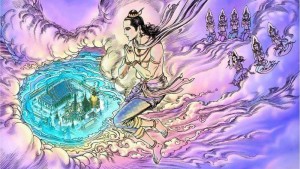
 Mốc I : Hoàn cảnh trước khi Phật ra đời
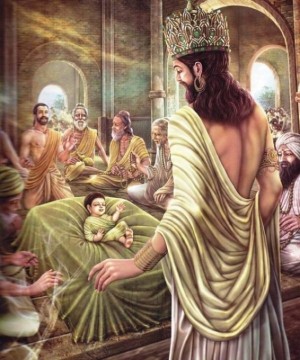 Mốc II : Sự kiện Phật đản sanh
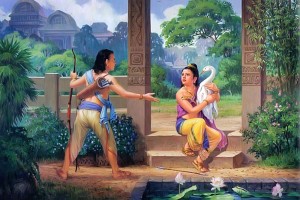 Mốc III: Giai đoạn tuổi thơ của Bồ tát Tất Đạt Đa
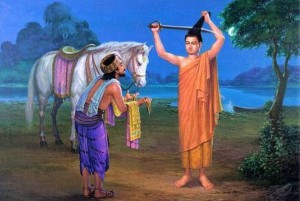 Mốc IV : Giai đoạn trưởng thành - xuất gia
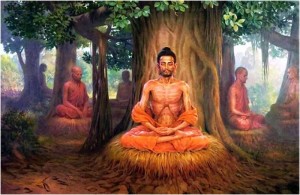 Mốc V : Tầm đạo
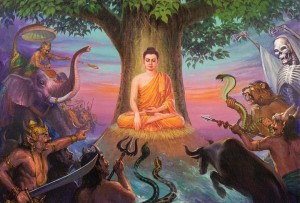 Mốc VI : Thành đạo
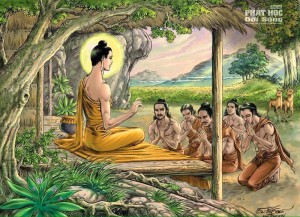 Mốc VII: Những vị đệ tử đầu tiên
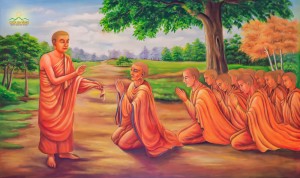 Mốc VIII : Tăng đoàn lớn mạnh
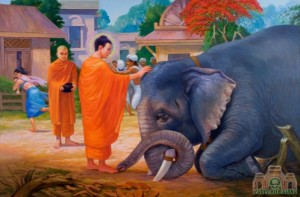 Mốc IX: Mười ba năm cuối cuộc đời Đức Phật
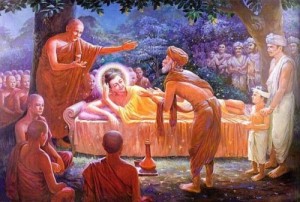 Mốc X : Đức Phật nhập niết bàn

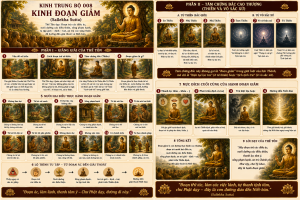
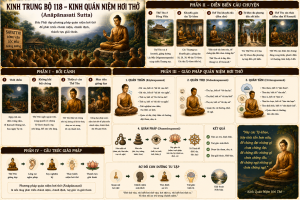

Trung A Hàm 007. KINH THẾ GIAN PHƯỚC
Người nghe · 442 lượt xem

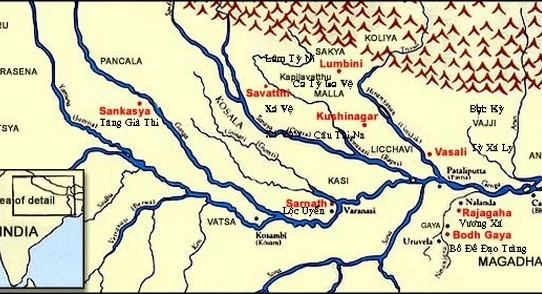
 Vương quốc Kosala
+
Vương quốc Magadha
+
Sakya
+
Koliya (Câu-lợi)
+
Nước Kasi
+
Nước Bạt-kỳ (Vajji)
+
Nước Avantī
+
Xứ Kurū
+
Cộng hoà Malla
+
Vương quốc Vatsa
+
Nước Ālavī
+
Nước Pañcāla
+
Tích Lan (Lanka - Sri Lanka)
+
Vương quốc Aṅga (Anga)
+
Nước Ceti (Cedi/Cetiya)
+
Nước Maccha (Matsya)
+
Nước Sūrasena
+
Nước Assaka (Asmaka)
+
Nước Gandhāra
+
Nước Kamboja
Vương quốc Kosala
+
Vương quốc Magadha
+
Sakya
+
Koliya (Câu-lợi)
+
Nước Kasi
+
Nước Bạt-kỳ (Vajji)
+
Nước Avantī
+
Xứ Kurū
+
Cộng hoà Malla
+
Vương quốc Vatsa
+
Nước Ālavī
+
Nước Pañcāla
+
Tích Lan (Lanka - Sri Lanka)
+
Vương quốc Aṅga (Anga)
+
Nước Ceti (Cedi/Cetiya)
+
Nước Maccha (Matsya)
+
Nước Sūrasena
+
Nước Assaka (Asmaka)
+
Nước Gandhāra
+
Nước Kamboja
Trong thời đức Phật tại thế, ngài sanh ở nước Magadha (Ma-kiệt-đà), làng Nàlaka, con của nữ Bà-la-môn Rùpusàri và em trai của Sàriputta. Ngài theo gương anh, xuất gia, và sau một thời gian tinh cần tu hành, chứng đuợc quả A-la-hán. Phấn khởi với quả chứng của mình và đời sống viễn ly,
Trong thời đức Phật tại thế, ngài sanh ở nước Magadha (Ma-kiệt-đà), làng Nàlaka, con của nữ Bà-la-môn Rùpusàri và em trai của Sàriputta. Ngài theo gương anh, xuất gia, và sau một thời gian tinh cần tu hành, chứng đuợc quả A-la-hán. Phấn khởi với quả chứng của mình và đời sống viễn ly,
2. Cunda.-The books appear to refer to two theras by the name of Cunda, the better known being Mahā-Cunda and the other Cūla-Cunda. But the legends connected with them are so confused that it is not possible to differentiate clearly one from the other. Mention is also made of a Cunda-Samanuddesa whom, however, the Commentaries (E.g.. DA.iii.907) identify with Mahā-Cunda. Mahā-Cunda is, for instance, described in the Theragāthā Commentary (ThagA.i.261; see also DhA.ii.188 and AA.ii.674) as the younger brother of Sāriputta, under whom he joined the Order, winning arahantship after arduous and strenuous effort. In the time of Vipassī Buddha he had been a potter and had given to the Buddha a bowl made of clay. The Apadāna verses quoted in the Theragāthā Commentary are, in the Apadāna itself (Ap.ii.444), ascribed to a monk named Ekapattadāyaka. They make no mention whatever of his relationship to Sāriputta. On the other hand, there are to be found elsewhere in the Apadāna (Ap.i.101f) certain verses ascribed to a Cunda Thera, which definitely state that he was the son of the brahmin Vanganta, and that his mother was Sārī. But in these verses he is called Cūla-Cunda, and mention is made of his previous birth in the time of Siddhattha Buddha, to whom he gave a bouquet of jasmine flowers. As a result he became king of the devas seventy-seven times and was once king of men, by name Dujjaya. It is further stated that he became arahant while yet a sāmanera and that he waited upon the Buddha and his own brother and other virtuous monks. This account goes on to say that after his brother's death, Cunda brought his relics in a bowl and presented them to the Buddha, who uttered praises of Sāriputta. This would identify Cūla-Cunda with Cunda Samanuddesa who, according to the Samyutta Nikāya (S.v.161f), attended Sāriputta in his last illness and, after his death, brought to the Buddha at Jetavana Sāriputta's bowl and outer robe and his relics wrapt in his water-strainer. Therefore if Buddhaghosa is correct in identifying Cunda Samanuddesa with Mahā-Cunda, then all three are one and the same. (Buddhaghosa says that the monks called him Samanuddesa in his youth before his upasampadā, and he never lost the name, DA.iii.907). Cunda Samanuddesa was, for some time, the personal attendant of the Buddha (ThagA.ii.124; J.iv.95, etc.), and when the Buddha prepared to perform the Twin Miracle, offered to perform a miracle himself and so save the Buddha trouble and exertion (DhA.iii.211). Cunda's teacher was Ananda, and it was to Ananda that he first brought the news of Sāriputta's death. (SA.iii.178; see also the Pāsādika Sutta and the Sāmagāma Sutta, where Cunda brings to Ananda and then to the Buddha the news of Nigantha Nātaputta's death; see also the Sallekha Sutta). Mahā-Cunda was evidently a disciple of great eminence, and is mentioned by the Buddha (A.iii.299; see also M.iii.78; Ud.i.5) in company with the Two Chief Disciples, Mahā Kassapa, Mahā Kotthita, Mahā Kaccāna and other very eminent Elders. The Pitakas contain several discourses (A.iii.355; v.41, 157) given to the monks by Mahā-Cunda while residing at Sahajātī among the Cetis, probably after the Buddha's death. Cunda (or Cundaka as he is called in this context) was with the Buddha in his last journey to Kusinārā, and spread a bed for him in the Mango grove by the Kakutthā River (D.ii.134f; Ud.viii.5). Cunda is mentioned (S.iv.50f.; M.iii.263f ) as having accompanied Sāriputta when he went to see Channa at the Kalandakanivāpa in Rājagaha, just before Channa's suicide. Once, when the Buddha lay ill in the Kalandakanivāpa, Cunda visited him and they talked of the bojjhangas. There and then the Buddha's sickness vanished. S.v.81. 2. Cunda . - Các sách dường như đề cập đến hai vị trưởng lão tên là Cunda, vị được biết đến nhiều hơn là Mahā-Cunda và vị kia là Cūla-Cunda. Nhưng những truyền thuyết liên quan đến họ rất mơ hồ đến nỗi không thể phân biệt rõ ràng vị này với vị kia. Tuy nhiên, Cunda-Samanuddesa cũng được đề cập đến , người mà các Chú giải (ví dụ DA.iii.907) đồng nhất với Mahā-Cunda. Ví dụ, Mahā-Cunda được mô tả trong Chú giải Theragāthā (ThagA.i.261; xem thêm DhA.ii.188 và AA.ii.674) là em trai của Sāriputta , người đã gia nhập Tăng đoàn, đạt được quả vị A-la-hán sau nỗ lực gian khổ và vất vả. Vào thời Đức Phật Vipassī , ông là một thợ gốm và đã dâng cho Đức Phật một cái bát làm bằng đất sét. Những câu thơ Apadāna được trích dẫn trong Chú giải Theragāthā, trong chính Apadāna (Ap.ii.444), được cho là của một nhà sư tên là Ekapattadāyaka . Chúng không đề cập gì đến mối quan hệ của ông với Sāriputta. Mặt khác, có thể tìm thấy ở những nơi khác trong Apadāna (Ap.i.101f) một số câu thơ được cho là của một Cunda Thera, trong đó nêu rõ rằng ông là con trai của brahmin Vanganta , và mẹ của ông là Sārī . Nhưng trong những câu thơ này, ông được gọi là Cūla-Cunda, và có đề cập đến kiếp trước của ông vào thời Đức Phật Siddhattha , người mà ông đã tặng một bó hoa nhài. Kết quả là ông đã trở thành vua của các thiên thần bảy mươi bảy lần và đã từng là vua của loài người, với tên là Dujjaya. Người ta còn nói thêm rằng ông đã trở thành A la hán khi vẫn còn là một sa di và rằng ông đã hầu hạ Đức Phật và anh trai của mình cùng các nhà sư đức hạnh khác. Câu chuyện này tiếp tục nói rằng sau khi anh trai mình qua đời, Cunda đã mang xá lợi của mình trong một cái bát và dâng lên Đức Phật, người đã ca ngợi Sāriputta. Điều này sẽ đồng nhất Cūla-Cunda với Cunda Samanuddesa, người mà theo Samyutta Nikāya (Sv161f), đã chăm sóc Sāriputta trong cơn bệnh cuối cùng của ông và sau khi ông qua đời, đã mang đến cho Đức Phật tại Jetavana bát và áo ngoài của Sāriputta và xá lợi của ông được gói trong cái lọc nước của ông. Do đó, nếu Buddhaghosa đúng khi đồng nhất Cunda Samanuddesa với Mahā-Cunda, thì cả ba đều là một và giống nhau. (Buddhaghosa nói rằng các nhà sư gọi ông là Samanuddesa khi ông còn trẻ trước khi xuất gia, và ông không bao giờ mất đi cái tên DA.iii.907). Cunda Samanuddesa trong một thời gian là thị giả riêng của Đức Phật (ThagA.ii.124; J.iv.95, v.v.), và khi Đức Phật chuẩn bị thực hiện Phép lạ song sinh , đã đề nghị tự mình thực hiện một phép lạ để cứu Đức Phật khỏi rắc rối và nỗ lực (DhA.iii.211). Thầy của Cunda là Ananda , và chính Ananda là người đầu tiên mang tin tức về cái chết của Sāriputta. (SA.iii.178; xem thêm Pāsādika Sutta và Sāmagāma Sutta , trong đó Cunda mang đến cho Ananda và sau đó là đến Đức Phật tin tức về cái chết của Nigantha Nātaputta ; xem thêm Sallekha Sutta ). Mahā-Cunda rõ ràng là một đệ tử có địa vị cao, và được Đức Phật nhắc đến (A.iii.299; xem thêm M.iii.78; Ud.i.5) cùng với Hai vị Đại đệ tử là Mahā Kassapa , Mahā Kotthita , Mahā Kaccāna và những vị Trưởng lão rất lỗi lạc khác. Kinh Tạng chứa đựng nhiều bài pháp (A.iii.355; v.41, 157) do Mahā-Cunda thuyết giảng cho các tỳ kheo khi ngài trú ngụ tại Sahajātī giữa các Cetis, có lẽ sau khi Đức Phật nhập diệt. Cunda (hay Cundaka như được gọi trong bối cảnh này) đã ở cùng Đức Phật trong chuyến đi cuối cùng đến Kusinārā , và đã trải giường cho Ngài trong rừng Xoài bên bờ sông Kakutthā (D.ii.134f; Ud.viii.5). Cunda được nhắc đến (S.iv.50f.; M.iii.263f) là đã tháp tùng Sāriputta khi ngài đến gặp Channa tại Kalandakanivāpa ở Rājagaha , ngay trước khi Channa tự sát. Một lần, khi Đức Phật nằm bệnh tại Kalandakanivāpa , Cunda đã đến thăm ngài và họ nói chuyện về các bojjhanga . Ngay lúc đó, bệnh tình của Đức Phật đã biến mất. Sv81. Trưởng lão Mahācunda – top 80 đệ tử Phật ( 40 vị bên phải) Trong thời đức Phật tại thế, ngài sanh ở nước Magadha (Ma-kiệt-đà), làng Nàlaka, con của nữ Bà-la-môn Rùpusàri và em trai của Sàriputta. Ngài theo gương anh, xuất gia, và sau một thời gian tinh cần tu hành, chứng đuợc quả A-la-hán. Phấn khởi với quả chứng của mình và đời sống viễn ly, Vị này xuất hiện khá nhiều ở Kinh tạng Nikaya . Ba người em trai của Tôn giả Xá Lợi Phật Sariputta có tên tuần tự như sau: Cunda (Thuần đà), Upasena và Revata (Ly Bà Đa). Ba em gái của Tôn giả là Càlà, Upacàlà và Sìsùpacàlà. Một thời Thế Tôn ở Savatthi (Xá-vệ), tại Jetavana (Kỳ-đà Lâm), vườn ông Anathapindika (Cấp Cô Ðộc). Lúc bấy giờ, Tôn giả Maha Cunda, vào buổi chiều từ chỗ độc cư Thiền tịnh đứng dậy, đến tại chỗ Thế Tôn, đảnh lễ Ngài rồi ngồi xuống một bên. Sau khi ngồi xuống một bên, Tôn giả Maha Cunda bạch Thế Tôn: — Bạch Thế Tôn, có những loại sở kiến này khởi lên trên đời, hoặc liên hệ đến ngã luận, hoặc liên hệ đến thế giới luận. Bạch Thế Tôn, đối với một Tỷ-kheo, có tác ý ngay từ ban đầu, thời có thể đoạn trừ những sở kiến ấy hay không, có thể xả ly những sở kiến ấy hay không? — Này Cunda, những loại sở kiến này khởi lên trên đời, hoặc liên hệ đến ngã luận, hoặc liên hệ đến thế giới luận, – chỗ nào những sở kiến này tiềm ẩn, và chỗ nào những sở kiến này hiện hành, chỉ có cách như thật quán sát chúng với trí tuệ rằng: “Cái này không phải của tôi, cái này không phải là tôi, cái này không phải tự ngã của tôi”, có vậy thời có sự đoạn trừ những sở kiến ấy, có sự xả ly những sở kiến ấy. Trong thời đức Phật tại thế, ngài sanh ở nước Magadha (Ma-kiệt-đà), làng Nàlaka, con của nữ Bà-la-môn Rùpusàri và em trai của Sàriputta. Ngài theo gương anh, xuất gia, và sau một thời gian tinh cần tu hành, chứng đuợc quả A-la-hán. Phấn khởi với quả chứng của mình và đời sống viễn ly, ngài nói lên bài kệ: 141. Khéo nghe, nghe tăng trưởng, Nghe tăng trưởng, phát tuệ, Nhờ tuệ biết ý nghĩa, Nghĩa được biết, lạc đến. 142. Hãy trú chỗ xa vắng, Hãy sống, thoát kiết sử, Tại đấy, hỷ chưa đạt, Hãy sống giữa chúng Tăng, Tự ngã được chế ngự, An trú trong chánh niệm. https://tipitaka.fandom.com/wiki/Thera_2.11:_Cunda,Elder Reborn in this Buddha-age in the kingdom of Magadha, at Nalaka village, as the son of the brahminee Rüpasari, [119] and younger brother of Sāriputta,[1] he followed the latter into the Monk’s order, and after arduous, strenuous effort won arahantship(enlightenment). And glorifying his attainment and in solitude of life, he uttered this saying(gatha): [141] Sussūsā [20] sutavaddhanī sutaɱ paññāya vaddhanaɱ,|| Paññāya atthaɱ jānāti ñāto attho sukhāvaho.|| || [142] Sevetha pantāni senāsanāni|| Careyya saɱyojana vippamokkhaɱ,|| Sace ratiɱ nādhigaccheyya tattha|| Saŋghe vase rakkhitatto satīmā’ ti.|| || [141] The will to learn leads to growth of learning; Learning[2] makes insight grow, and by insight We know the Good; known Good brings bliss along. [142] Seek you the lonely places remote from men.[3] Practise the life of liberty from Bonds. If there you come not by your heart’s desire, Live with the Monks, mindful and controlled. [1] Cf. Saṃy., iv. 251; v. 161; Sayings(gatha), I., p. 96. With his brother he visits Channa (Majjh., iii. 263; Saṃy., iv. 55). He was one of the nine or ten chief Theras. Three discourses are ascribed to him in the Anguttara Nikāya, addressed to the bhikkhus(monks), and preaching modesty and mutual tolerance, especially between the erudite and the more mystically inclined (iii. 355). [2] Lit., hearing, significant of an era of oral instruction and mnemonic recording. [3] The Lord(Buddha)’s own advice to him (Majjh., i. 46). 2.2 Second Chapter The stanza starting with Sussūsā constitutes that of the venerable Thera Mahā-Cunda. What is the origin? This one also having done devoted deed of service toward former Buddhas, accumulating meritorious deeds in this and that existence was reborn in the family of a potter, at the time of the Blessed One Vipassī(Buddha). On having attained the age of intelligence, he was earning his living by doing the work of a pot-maker, when, one day, he happened to have seen the Master, became pious-minded, made a specially well executed earthen bowl, and offered it to the Glorious One. On account of that act of merit, he wandered about his rounds of repeated rebirths among divine and human beings and was reborn as the youngest brother of the Thera Sāriputta, and the son of the brahmin lady Rūpasāri in the village of Nālada, in the kingdom of Magadha, when this Buddha arose. His name was Cunda. When he came of age, he became a monk as a sequel to (his eldest brother becoming) Commander-in-chief of dhamma; depending on the latter, he placed himself in the path of developing spiritual insight (vipassanā), made his effort and exertion (ghaṭento vāyamanto) and became an Arahant with six sorts of supernatural knowledge (abhiññā) but before long. Hence, has it been said in the Apadāna:– “In the city of Haṃsavaī I was a pot- maker. I saw the stainless (virajaṃ) Buddha, the canker-free who had crossed over the flood (oghatinnaṃ). A well-made earthen bowl I offered to Buddha the best. Having made my offering of bowl to the Blessed One who was such a sage who had become straight, I gained gold trays as I sprang up in any existence. Mats (taṭṭike) made of silver, gold and gems, (did I gain) also. I made use of vessels (made of silver and gold); this is the fruitful result of my meritorious deed. I become foremost (agga) among men of reputation and money. Just as in a fertile (bhaddake) field (khette), the seed sown though meagrely, when seasonal bearer of rain (sammādhāraṃ) pours down its showers, the crop to be harvested (phalaṃ) satisfies the cultivator (toseti kassakaṃ). Likewise, even, this opportune (path) charitable offering sowed (by me) in the field of Buddha, when the bearer of zest (pīti) sheds its showers, the fruitful result will made me delightedly satisfied. As long as fields exist, the clergy of monks as well as the group of monks, there is none similar to the field of Buddha, the giver of happiness to all living-beings. O Well-bred man! May my adoration be to you! I bow before you, O most excellent man! Having made my offering of a single bowl, I have attained the unshaken path (acalaṃ padaṃ). It was ninety one aeons (kappa) ago, that I then made my offering of a bowl, I do not remember any evil existence; This is the fruitful result of my bowl offering. My depravity had been burnt. … Buddha’s instruction had been carried out.” Having, however, become an Arahant with six sorts of higher-knowledge (abhiññā), he spoke two stanzas in order to make known (dittento) what the cause was of the prosperity (sampatti) aptly gained by himself and his dependency on his teacher (garūpanissaya) as well his abiding in seclusion. 141. “Owing to being obedient (sussūsā) there is an increase (vaḍḍhanī) in learning (suta); whatever is heard constitutes development of wisdom. A man knows the matter by means of wisdom. The known matter is the brarer of bliss. 142. Associate yourself with remotely solitary (pantāni) heds and seats (senāsanāni). One should conduct one- self towards clear freedom from fetters (saṃyajanavippamokkhaṃ). Were one not to attain delight (rati) there, one should dwell amidst the clergy of monks, with his self, looked after and possessed of awareness.” There, sussūsā means: desire to listen to the wholly learned, fit to be listened to (sotabbayutta); dwelling together with a teacher, also. When, indeed, they are desirous of sitting near (upanisīditukāmā) any one because of having been pleased in heart for doing the attending upon, after having approached good friends owing to the desire to hear the beneficial matter (atthaṃ) classified as: pertaining to the immediately present existence (diṭṭhadhammika) etc., then they should sit down near them and should listen to them with fixed attention (ohitasotena) when the desire for hearing has been achieved, thus, it has been said as “Sussūsā, obedient,” owing to the abiding together with the teacher, also, being the cause of obedience. That obedience (sussūsā) however, is this hearing (sutaṃ) well-connected aptly with noble truths (sacca) dependent origination (paṭiccasamuppāda) and so on; that learning (taṃ sutaṃ) of the individual who is endowed with it is made to increase and flourish (brūheti); thus, sutavaddhanī; the maker of much learning; thus, is the meaning. Sutaṃ paññāya vaddhanaṃ means: that much learning (bāhusaccaṃ) which has been said in such a method and manner as “sutadharo sutasannicayo (the bearer of learning, the repository of accumulated learning),” Idh’ekaccassa bahukaṃ sutaṃ hoti suttaṃ geyyaṃ veyyākaranaṃ (here, to some there is much he had heard, thread-like dis-course (sutta), mixture of prose and verse (geyya), esposition (veyyākarana)” and so on; it makes the wisdom, which has become the cause of avoiding bad deeds and achieving good deeds, increase; thus, what has been heard (sutaṃ) constitutes the development of wisdom; indeed, this has been said by the Blessed One. “Sutāvudho kho bhikkhave ariyasāvako akusalaṃ pajahati, kusalaṃ bhāveti, sāvajjaṃ pajahati, anavajjaṃ bhāveti, suddhamattānaṃ pariharati (O monks! The noble disciple, indeed, with his weapon of what had been heard (sutāvudho) discards the bad deed, develops the good deeds, avoids sinful acts, develops sin- less acts and attends to his pure self).” Paññāya atthaṃ jānāti means: the much-learned man, established in the knowledge made of what has been heard, entering upon that proper attainment (paṭipattiṃ), in accordance with what has been heard (sutānusārena), with the investigation of meaning (attūpaparikkhāya), by means of the development (bhāvanāya) of comprehension of the truth (dhammanijjhānena), rationally knows (pajānāti) and aptly penetrates into (paṭivijjhati) the meaning (atthaṃ) according to the truth (yathābhūtaṃ), the classification (bhedaṃ) into mundane (lokiya) and sublime (lokuttara), the distribution (vibhāgaṃ) into visible order of things (diṭṭhadhamma) etc., as well as such detailing (vibhāga) also as misery (dukkha) and so on; therefore, the Blessed One said: “Sutassa (yathā pariyattassa) atthamaññāya dhammamaññāya dhammānudhammappaṭipanno boti (to a man of learning (according as he has learned by heart) there is proper practice (paṭipanna) of righteousness (dhamma) according to the truth (dhanna) after he had understood (aññāya) the meaning (attha) and comprehended (aññāya) the truth (dhamma) “Dhatānaṃ dhammānaṃ atthaṃ upaparikkhati, atthaṃ upaparikkhati dhamma nijjānaṃ khamanti; dhammanijjhānakkhantiyā sati chando jāyati; chandajāto ussahati; ussahitvā tuleti; tulayitvā padahati; pahitatto samāno kāyena c’eva paramasaccaṃ sacchikaroti; paññāya canaṃ ativijjha passatīti ca (He investigates the meaning of the teachings (dhamma) which he knew by hearing; as a result of his examination of the meaning, he finds pleasure in the teachings (dhamma); when he is pleased with the teachings (dhammanijjhānakkhantiyā sati), there arises desire (chanda); when the desire has arisen he makes an effort; having made an effort, he weighs; after having weighed he strives; on his becoming self-striven, he visualises absolute truth but by his body as well; he sees it with extreme penetration by means of his wisdom).” Ñāto attho sukhāvaho means: such a meaning as pertaining to visible order of things (diṭṭhadhammika) etc., as well as such a meaning as begun with painful suffering (dukkha), according as has been said, fitfully (yāvatāvato) understood and achieved, brings about and accomplishes happiness classified as worldly and transcendental (lokiyalokuttarabhedoṃ); thus, is the meaning. It is not suitably accomplished (sijjhati) just by mere having heard by means of the established wisdom of development (bhāvanāpaññāya); thus, in order to show the line of action (paṭipajjanavidhiṃ) for it, he said: “Sevetha … vippamokkhaṃ.” There, sevetha pantāni senāsanāni bespeaks bodily seclusion. Here, such self-control as that of good normal precept and so on should be understood as their going without saying, or as substantiation without being expressly enunciated (avuttasiddhā), as abiding in seclusion (vivekavāso) of one but worthy of solitude even, owing to the state of saying (vakkhamānatā) of forsaking the fetters (saṃyojana-ppahāna) by means of it. Cureyya saṃyojanavippamokkhaṃ means: just as the mind is clearly released (vippamuccati) from fetters (saṃyojana) likewise, one should conduct one-self and properly practise (paṭipajjeyya) the development of spiritual insight (vipassanā bhāvanaṃ) and the promotion of the path (maggabhāvanaṃ) as well; thus, is the meaning. Sace retiṃ nādhigaccheyya tattha means: – if special delight (abhiratiṃ) were not gained because of not gaining distinction (visesa) firstly and lastly (pubbenāparaṃ) the delight in those remote monasteries according as obtained as well as in’items of higher righteousness’ adhikusala-dhammesu); saṃghe means collection of monks; rakkhitatto means: watchful -minded (rakkhitacitto) at the six doors (of senses) because of the mastery (pariganhana) of mental exercise (kammaṭṭhāna); satimā vaseyya means: one should live (vihareyya) by being served by (upaṭṭhapanena) the watchful awareness (satiārakkhāya); to one, living in this manner, it may be that there would, namely, be clear free-dom (vippamokkho) from fetters (saṃyojanā); thus, is the significance. The Commentary on the stanza of the Thera Mahā-Cunda is complete.Trưởng lão Mahācunda – top 80 đệ tử Phật ( 40 vị bên phải)
I. Giới thiệu
Kinh đoạn giảm
»» Kinh Ðoạn Giảm
II. Trưởng lão tăng kệ – Tiểu bộ kinh Nikaya
(CXXXI) Mahàcunsa (Thera. 20)
III. Thông tin từ https://tipitaka.fandom.com/wiki/Thera_2.11:_Cunda,Elder
Chapter II.
Two Verses131. Cunda the Great
2.2-1 [131] Commentary on the stanza of Mahacundatthera
Người nghe · 442 lượt xem

Người nghe · 354 lượt xem

Người giảng · 344 lượt xem

Người nghe · 345 lượt xem
Chọn vấn đề bạn phát hiện. Quản trị viên sẽ nhận báo cáo kèm đúng trang hiện tại.
Liên kết bên dưới được dựng phía server từ các quan hệ đang có trong cơ sở dữ liệu Nikaya Tâm Học.
Các bài/Kinh liên kết trực tiếp với nhân vật này.
Quan hệ Nhân vật ↔ Địa danh đang có trong database.
Mở danh sách nhân vật cùng nhóm hiện hữu.
Tính từ bài chung và địa danh chung ở backend.