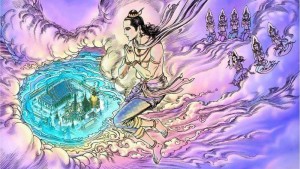
 Mốc I : Hoàn cảnh trước khi Phật ra đời
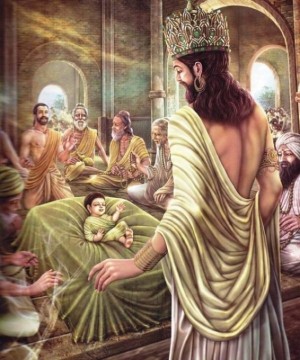 Mốc II : Sự kiện Phật đản sanh
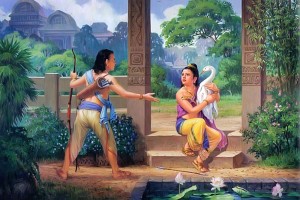 Mốc III: Giai đoạn tuổi thơ của Bồ tát Tất Đạt Đa
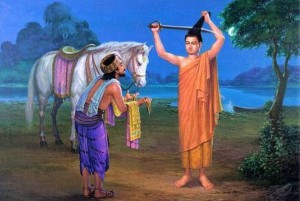 Mốc IV : Giai đoạn trưởng thành - xuất gia
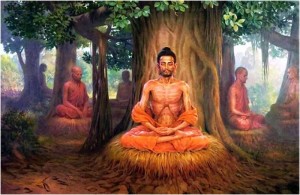 Mốc V : Tầm đạo
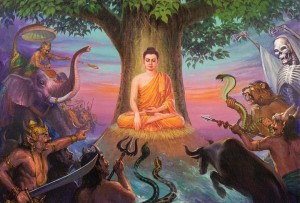 Mốc VI : Thành đạo
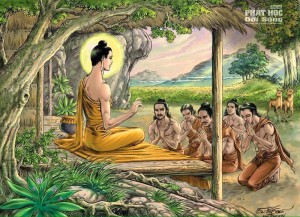 Mốc VII: Những vị đệ tử đầu tiên
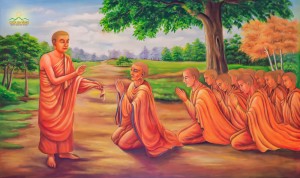 Mốc VIII : Tăng đoàn lớn mạnh
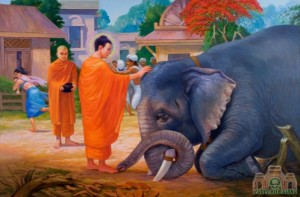 Mốc IX: Mười ba năm cuối cuộc đời Đức Phật
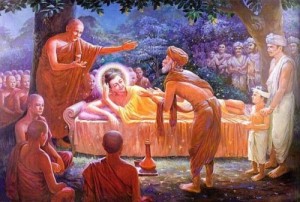 Mốc X : Đức Phật nhập niết bàn

Trung A Hàm 118. Kinh Long Tượng
Người nghe · 316 lượt xem

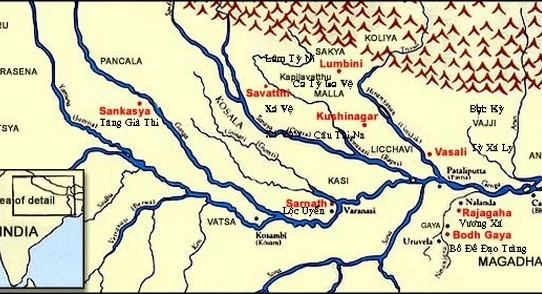
 Vương quốc Kosala
+
Vương quốc Magadha
+
Sakya
+
Koliya (Câu-lợi)
+
Nước Kasi
+
Nước Bạt-kỳ (Vajji)
+
Nước Avantī
+
Xứ Kurū
+
Cộng hoà Malla
+
Vương quốc Vatsa
+
Nước Ālavī
+
Nước Pañcāla
+
Tích Lan (Lanka - Sri Lanka)
+
Vương quốc Aṅga (Anga)
+
Nước Ceti (Cedi/Cetiya)
+
Nước Maccha (Matsya)
+
Nước Sūrasena
+
Nước Assaka (Asmaka)
+
Nước Gandhāra
+
Nước Kamboja
Vương quốc Kosala
+
Vương quốc Magadha
+
Sakya
+
Koliya (Câu-lợi)
+
Nước Kasi
+
Nước Bạt-kỳ (Vajji)
+
Nước Avantī
+
Xứ Kurū
+
Cộng hoà Malla
+
Vương quốc Vatsa
+
Nước Ālavī
+
Nước Pañcāla
+
Tích Lan (Lanka - Sri Lanka)
+
Vương quốc Aṅga (Anga)
+
Nước Ceti (Cedi/Cetiya)
+
Nước Maccha (Matsya)
+
Nước Sūrasena
+
Nước Assaka (Asmaka)
+
Nước Gandhāra
+
Nước Kamboja
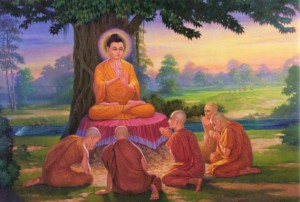
Trưởng lão Mahā-Udāyi – nhà thuyết pháp hùng biện và xảo diệu từng thuyết trước hội chúng cư sĩ đông đảo ( top 80 trưởng lão nhóm phải) Ở phần II và III của bài viết, Tâm Học cũng không dám chắc có phải vị này không , nhưng chỉ có 2 vị Udayi ( Udayin trong trưởng lão tăng kệ đó là kaluUdayi – sinh cùng ngày với Phật) và Udayin )
Trưởng lão Mahā-Udāyi – nhà thuyết pháp hùng biện và xảo diệu từng thuyết trước hội chúng cư sĩ đông đảo ( top 80 trưởng lão nhóm phải) Ở phần II và III của bài viết, Tâm Học cũng không dám chắc có phải vị này không , nhưng chỉ có 2 vị Udayi ( Udayin trong trưởng lão tăng kệ đó là kaluUdayi – sinh cùng ngày với Phật) và Udayin )
Trưởng lão Mahā-Udāyi – nhà thuyết pháp hùng biện và xảo diệu từng thuyết trước hội chúng cư sĩ đông đảo ( top 80 trưởng lão nhóm phải) Ở phần II và III của bài viết, Tâm Học cũng không dám chắc có phải vị này không , nhưng chỉ có 2 vị Udayi ( Udayin trong trưởng lão tăng kệ đó là kaluUdayi – sinh cùng ngày với Phật) và Udayin ) Trưởng lão Mahā-Udāyi – nhà thuyết pháp hùng biện và xảo diệu từng thuyết trước hội chúng cư sĩ đông đảo ( top 80 trưởng lão nhóm phải) Tipitaka >> Sutta Pitaka >> Khuddaka Nikaya >> Theragatha >> Thera(247):Udayin Adapted from the Archaic Translation by Mrs. C.A.F. Rhys Davids. Reborn in this Buddha-age at Kapilavatthu in a brahmin(priest) family, he saw the power and majesty of the Buddha when [288] he visited his family, believed in him, entered the Monk’s order, and in due course became an arahant(enlightened). Now there are these three Theras named Udāyin: the minister’s son, Kaludayin, recorded above,[1] this brahmin(priest), and Udāyin the Great.[2] This one, when the Sutta of the Elephant Parable had been taught on the occasion when Seta, King Pasenadi’s(Prasenajit) elephant, was publicly admired,[3] was stirred to enthusiasm at thought of the Buddha, and thinking: ‘These people admire a mere animal. Come now, I will proclaim the virtues of that great and wondrous Elephant, the Buddha!’ he uttered these verses: [689] Manussabhūtaɱ sambuddhaɱ attadantaɱ samāhitaɱ,|| [690] Yaɱ manussā namassanti sabbadhammāna pāraguɱ,|| [691] Sabbasaɱyejanātītaɱ vanā nibbanamāgataɱ,|| [692] Sa ve accantaruci nāgo himavā maññe siluccaye,|| [693] Nāgaɱ vo kittayissāmi na hi āguɱ karoti so,|| [694] Sati ca sampajaññaɱ ca caraṇā nāgassa te pare,|| [695] Sati ca sampajaññaɱ caraṇā nāgassa te pare,|| [696] So jhāyī assāsarato ajjhattaɱ susamāhito,|| [697] Sayaɱ samāhito nāgo nisinno’pi samāhito,|| [698] Bhuñjati anavajjāni sāvajjāni na bhuñjati,|| [699] Saɱyojanaɱ aṇuɱ thūlaɱ sabbaɱ chetvāna bandhanaɱ,|| [700] Yathāpi udake jātaɱ puṇḍarīkaɱ pavaḍḍhati,|| [701] Tatheva ca loke jāto buddho loke viharati,|| [702] Mahāgini pajjalito anāhāropasammati,|| [703] Atthassāyaɱ viññāpanī upamā viññūhi desitā,|| [704] Vītarāgo vītadoso vītamoho anāsavo,|| [689] Buddha the Awakened One, the son of man, [690] To whom men honour pay as one [691] From jungle to Nibbāna come,[5] With every bond left behind, [692] Like elephant superb is he, [693] This Nāga will I praise to you, [694] Intelligence and mindfulness: [695] His throat awareness,[8] and his head [696] So meditating rapt, and breathing bliss,[9] Composed in body and in mind, [697] Composed, this Nāga, lying down, [698] Blameless in all that he enjoys, [290] [699] Whether the tie be coarse or fine, [700] As lotus born within a lake, [701] So is the Buddha in this world, [702] A mighty fire that’s spent itself, [703] Lo! here’s a parable the wise [704] With passion gone, and hatred gone, [1] See CCXXXIII. [2] It is not easy to elicit from the canonical episodes mentioning āyasmā Udāyī,’ which is the last named. Such a personage frequently appears, getting into trouble in the Vinaya, conversing with the Buddha and apostles in the Suttas, but never called ‘Great,’ or doing anything to merit the title. Conceivably he lived nearer the Commentator’s time. [3] See Ang. Nik., iii. 345 f., where the saying(gatha) is also given. Translated by E. Hardy, Buddha, 1903, p. 51. [4] Dhammā-i.e., things as cognizable. [5] Vanā nib-banam āgataṃ; the word-play cannot be reproduced. See Compendium, p. 168. [6] Nāga, whatever its real, not (as here) exegetical, derivation, meant a fairy, daimôn, or mysterious being. The serpent was as mysterious for the Indian as for Cretan and Greek. So was the elephant. So was the saint. The bracketed line is from the Commentary. Cf. Sutta-Nipata, verse 522. [7] On soberness (soraccaṃ Commentary = sīlaṃ), see Bud. Psy., p. 849. The other two feet are, in Ang. Nik., called ‘austerity’ (tapo) and ‘holy life(celibacy).’ [8] Sati, ‘mindfulness,’ above, is also sati. [9] Lit., ‘delighting in inhaling,’ a word meaning also comfort – namely, of Nibbāna (Commentary). [10] Nibbuto.I. Giới thiệu khái quát
II. Trưởng lão tăng kệ – Tiểu bộ kinh Nikaya
(CCXLVII) Udàyin (Thera. 69)
Trong thời đức Phật tại thế, ngài sanh ở Kapilavatthu, trong một gia đình Bà-la-môn. Ngài thấy được uy lực của đức Phật khi đức Phật thăm gia đình ngài. Ngài khởi lòng tin, xuất gia và sau một thời gian, ngài thành bậc A-la-hán. Nay có đến ba vị Trưởng lão Udàyin: con một Bộ trưởng, tên là Kàludàyin (xem CCXXXIII), vị Bà-la-môn này và Ðại Udàyin. Khi kinh Ví dụ con voi được thuyết giảng, trong kinh này, con voi Sela của vua Pasenadi được tán thán, ngài Udàyin này cảm thấy phấn khởi khi nghĩ đến đức Phật, nghĩ rằng các người này chỉ tán thán một con vật, còn ta sẽ tán thán các đức tánh tốt đẹp của một con voi tuyệt diệu, tức là đức Phật. Rồi Ngài nói lên những bài kệ như sau:
689. Ðức Phật, sanh làm người,
Tự điều phục thiền định,
Uy nghi Phạm thiên đạo,
Hoan hỷ trong tâm tịnh.
690. Loài người đảnh lễ Ngài,
Bậc đạt được bờ kia,
Ðối với hết thảy pháp,
Chư Thiên đảnh lễ Ngài,
Như vậy ta được nghe,
Ta là A-la-hán.
691. Vượt qua mọi kiết sử,
Từ rừng đến Niết-bàn,
Vui thoát ly các dục,
Như vàng thoát khoáng sản.
692. Vị ấy thật như voi,
Tuyệt luân đẹp rực rỡ
Ðứng trên đỉnh núi cao
Dãy trường sơn Hi-mã,
Trong mọi danh Nàga,
Ngài chân danh Vô thượng.
693. Rồi ta sẽ tán thán,
Nàga này cho người,
Nàga không làm ác,
Nên được gọi Nàga,
Từ tốn, không làm hại,
Là hai chân Nàga.
694. Chánh niệm và tỉnh giác,
Hai chân khác Nàga,
Voi Nàga là tín,
Ngà màu trắng là xả
695. Chánh niệm là cổ họng,
Trí tuệ chỉ cho đầu,
Suy tầm với cái vòi,
Chỉ cho tư duy pháp.
Hòa trú là bụng pháp,
Viễn ly ví đuôi voi.
696. Tu thiền, thở vô lạc,
Nội tâm, khéo định tỉnh,
Nàga đi, định tỉnh,
Nàga đứng, định tỉnh.
697. Nàga nằm, định tỉnh,
Nàga ngồi, định tỉnh,
Trong tất cả tình huống,
Nàga sống chế ngự
Ðây thành tích Nàga.
698. Ăn đồ ăn không tội,
Ðồ có tội không ăn;
Ðược đồ ăn, y phục,
Từ bỏ, không tích trữ.
699. Kiết sử tế hay thô,
Chặt đứt mọi trói buộc,
Chỗ nào vị ấy đi,
Bước đi, không kỳ vọng.
700. Như sen sanh trong nước,
Lớn lên được tăng trưởng,
Không có dính nước ướt,
Thơm ngát, rất khả ái.
701. Cũng vậy bậc Chánh Giác,
Sanh và trú ở đời,
Không có dính sự đời,
Như sen không dính nước.
702. Như đống lửa cháy đỏ,
Không củi tự tắt dần,
Trong than tro lắng dịu,
Ðược gọi lửa diệt tận.
703. Ví dụ, bậc trí thuyết,
Ðể nêu rõ ý nghĩa,
Ðại Nàga sẽ hiểu,
Những gì về Nàga,
Do Nàga ấy giảng.
704. Vô tham và vô sân,
Vô si, không lậu hoặc,
Nàga từ bỏ thân,
Sẽ diệt độ Niết-bàn,
Không còn có lậu hoặc.III. https://tipitaka.fandom.com/wiki/Thera_15.2:_Udayin
Thera 15.2: Udayin
Note: ‘C’ in Pali text is pronounced as ‘ch’ as in ‘China’.
Chapter XV.
Sixteen Verses247. Udāyin
Iriyamānaɱ3 brahmapathe cittassūpasame rataɱ.|| ||
Devā’pi taɱ namassanti iti me arahato sutaɱ.|| ||
Kāmehi nekkhammarataɱ muttaɱ selā’va6 kañcanaɱ.|| ||
Sabbesaɱ nāganāmānaɱ saccanāmo anuttaro.|| ||
Soraccaɱ avihiɱsā ca pādā nāgassa te duve.|| ||
Saddhā hattho mahānāgo upekkhāsetadantavā.|| ||
Dhammakucchisamāvāso viveko tassa vāladhi.|| ||
Gacchaɱ samāhito nāgo ṭhito nāgo samāhito.|| ||
Sabbattha saɱvuto nāgo esā nāgassa sampadā.|| ||
Ghāsamacchādanaɱ laddhā sanni’dhiɱ parivajjayaɱ.|| ||
Yena yeneva gacchati anapekkhova gacchati.|| ||
Nopalippati toyena sucigandhaɱ manoramaɱ.|| ||
Nopalippati lokena toyena padumaɱ yathā.|| ||
Aŋgāresu ca santesu nibbuto’ ti pavuccati.|| ||
Viññissanti mahānāgā nāgaɱ nāgena desitaɱ.|| ||
Sarīraɱ vijahaɱ nāgo parinibbissantyanāsavo’ ti.|| ||
Self-tamed, by inward vision rapt,
Engrossed within himself by ways sublime,
Glad in tranquillity of heart;
Who has transcended all we know;[4] To whom gods also honour yield:-
So I, an arahant(enlightened), have heard-
Glad in renouncing worldly joys,
Extracted like fine gold from ore,
On wooded heights in Himalaya:-
Lo, him see! Nāga Superb- [289] For, sure, of all we ‘Nāga’ name,
(Serpent or elephant or man)
Supremely true that name for him –
For he ‘no sin’ -na āgun- did.[6] Mercifulness, soberness:[7] These be two of the Naga’s feet;
Other two feet of this Elephant.
The Nāga’s trunk is confidence;
His white tusks, equanimity;
Is insight; testing touch of trunk
Is weighing wisely good and bad;
Shrine of the Path(Dhamma) his viscera;
Detachment is the tail of him.
Composed, this Nāga, when he walks,
Composed, this Nāga, when he stands,
And hard worked composed while he sits;
Self-governed whatsoever he did:
This is the Nāga’s perfect way.
Enjoying nothing that calls for blame,
Has he but gotten food and gear,
From store laid up he did refrain.
Bonds of all kinds he breaks fast;
He goes wheresoever he will,
Nor cars wheresoever he goes.
By water nowise is defiled,
But grows fragrant, beautiful,
Born in the world and living there,
But by the world nowise defiled,
Even as the lily by the lake.
And has no fuel exhausts itself down,
And of the smouldering ashes men
Do say ‘That fire is now extinguished.’[10]
Have taught to make their meaning known.
Great Nāgas, they will understand
The Nāga, by that Nāga taught:
And dullness gone, sane and immune,
This Nāga, yielding up his life,
Will clean ‘go out,’ sane and immune.
Người nghe · 316 lượt xem
Chọn vấn đề bạn phát hiện. Quản trị viên sẽ nhận báo cáo kèm đúng trang hiện tại.
Liên kết bên dưới được dựng phía server từ các quan hệ đang có trong cơ sở dữ liệu Nikaya Tâm Học.
Các bài/Kinh liên kết trực tiếp với nhân vật này.
Mở danh sách nhân vật cùng nhóm hiện hữu.
Tính từ bài chung và địa danh chung ở backend.